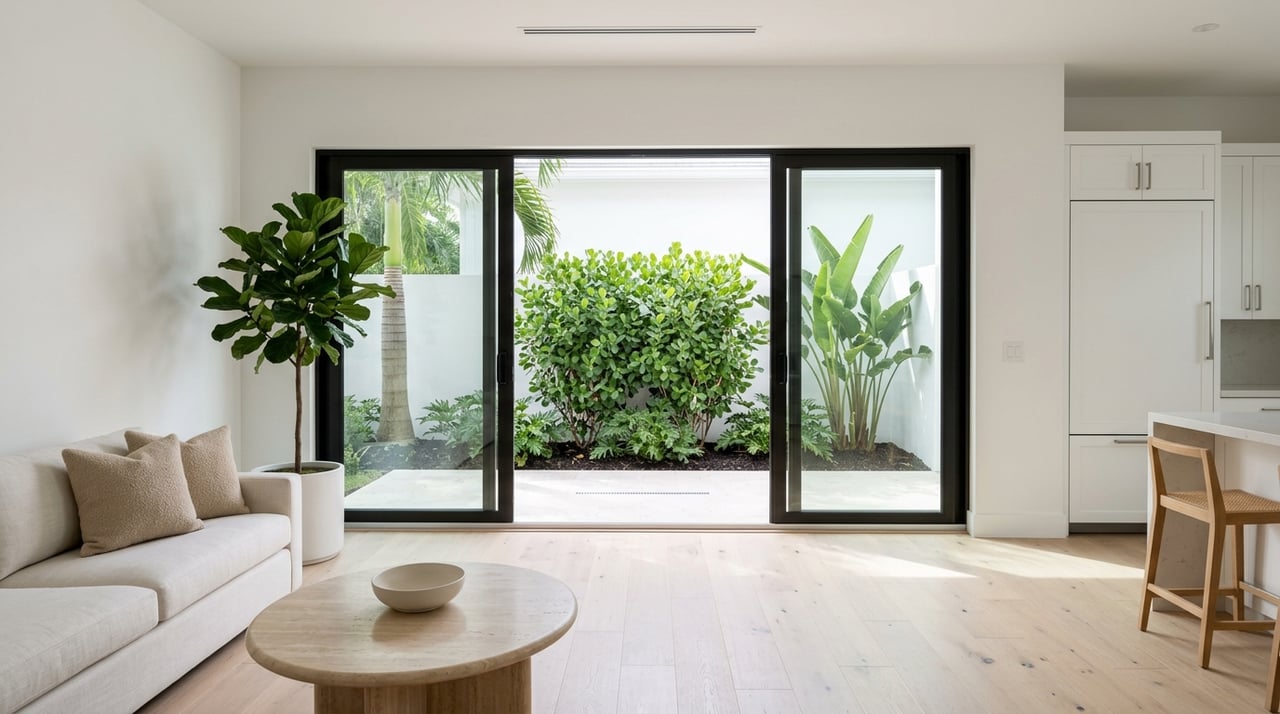
Selling a Second Home in Palm Beach With a Local Plan
If you own a second home in Palm Beach, selling it can feel simple on paper and surprisingly complex in real life. You may be coordinating from out of town, watching a market that moves differently by property type, and trying to balance timing, presentation, and financial planning all at once. The good news is that with the right local strategy, you can make smart decisions before your home ever hits the market. Let’s dive in.
Selling a second home in Palm Beach starts with understanding that this is not one single market. Pricing pace, buyer expectations, and negotiation room can look very different in Palm Beach proper versus the broader county, and they can also vary between single-family homes and condos.
In Palm Beach County, the January 2026 market showed total sales up 9.6% year over year. The median sale price was $700,000 for single-family homes and $325,000 for condos, with sellers receiving a median of 94% of original list price for single-family homes and 92% for condos, according to the MIAMI REALTORS market report.
Palm Beach proper sits in a much higher price tier. Redfin’s Palm Beach housing market data reported a February 2026 median sale price of $3.95 million, with homes taking about 106 median days on market and selling for an average of 9% below list price. For you, that means early preparation and realistic pricing can matter just as much as the property itself.
For many second-home owners, timing is one of the biggest levers you can control. Palm Beach has a strong seasonal rhythm, and buyer traffic often increases when more part-time residents and visitors are in town.
The Palm Beaches tourism office notes that winter is one of the destination’s busiest and most active times, with polo, equestrian events, and other major seasonal activity running from January through April. That makes late fall through early spring an especially visible window for marketing a seasonal or second home.
That does not mean you cannot sell in summer or early fall. It does mean your strategy may need to adjust if you list outside peak season, especially if your home will compete with other luxury or coastal inventory. In Palm Beach, visibility and first impressions often carry extra weight.
Second-home sellers sometimes price based on memory, not current conditions. If you have not been in the property full-time, it is easy to anchor to last season’s conversations, a neighbor’s asking price, or your own long-term expectations.
Current data suggest a more measured approach. Countywide supply stood at 5.2 months for single-family homes and 9.3 months for condos in January 2026, per MIAMI REALTORS. That difference matters because condos may require more patience and sharper pricing discipline than houses.
In Palm Beach proper, where average sales were reported around 9% below list price, overpricing can make a listing sit longer and lose momentum. A strong pricing strategy should reflect your exact property type, location, condition, and likely buyer pool rather than broad county headlines alone.
When you do not live in the property full-time, preparation has to be more deliberate. Buyers notice when a home feels lightly used, overly personal, or not fully ready for market.
According to the National Association of Realtors 2025 staging report, 49% of sellers’ agents said staging reduced time on market, and 29% said staging increased dollar value offered by 1% to 10%. That matters in a market where presentation can influence both speed and leverage.
The same report found that the most common prep recommendations were:
If you are selling from afar, that order is a smart one to follow. Start with a full cleanout, remove extra personal items, address visible repairs, and then invest in professional listing presentation.
If your time or budget is limited, you do not have to perfect every room equally. NAR found that the spaces most often staged were the living room, primary bedroom, dining room, and kitchen.
Those are strong priority areas for Palm Beach second-home sellers. If buyers connect with the main living spaces and the home photographs beautifully online, you are more likely to earn strong showing activity from the start.
Many Palm Beach buyers screen homes online before they ever set foot inside. That is especially true in a market with second-home shoppers, seasonal owners, and cash buyers who may be comparing several options quickly.
NAR reported that buyers’ agents ranked photos as highly important by 73%, followed by videos at 48% and virtual tours at 43% in online listings. For a home you do not occupy full-time, polished media is not optional. It helps your property compete even when you are not nearby to manage every in-person detail.
One of the biggest mistakes second-home sellers make is treating the launch as the hard part and the showing period as an afterthought. In Palm Beach County, the median list-to-contract time was 49 days for single-family homes and 69 days for condos, while median time to sale was 93 and 109 days, according to MIAMI REALTORS.
That timeline matters if you live elsewhere. Your home may need to stay clean, accessible, and maintained for weeks or even months, not just one busy weekend.
A strong remote-sale plan should include:
Cash also plays a big role in this market. MIAMI REALTORS reported that 55.5% of Palm Beach County closed sales were cash in January 2026. That can make the showing window more important because some buyers can move from first tour to offer quickly.
If your sale timeline overlaps with summer or early fall, storm readiness should be part of the listing strategy. Palm Beach’s official hurricane preparedness guidance states that hurricane season runs from June 1 through November 30 and encourages early preparation.
For a second-home seller, that means making sure the property is ready before a storm is ever on the radar. Functioning shutters, updated emergency contacts, vendor availability, and clear re-entry planning can all affect how smoothly your sale continues if weather interrupts showings.
This is especially important when the home is vacant or only used seasonally. A storm plan protects the property, but it also supports buyer confidence when your listing is active during that part of the year.
If your second home is a condo, the preparation process usually involves more paperwork and more buyer screening issues. The county market data already show a slower timeline and more supply for condos than for single-family homes, so being organized early can help reduce avoidable delays.
Before listing, it helps to gather:
Financing can also be a factor. MIAMI REALTORS reported that only 21 of 2,397 condo buildings across Miami-Dade, Broward, and Palm Beach counties were FHA approved in January 2026. That does not prevent a sale, but it does highlight why buyer financing, building documentation, and expectations should be addressed early.
A second-home sale can have a very different tax outcome than the sale of a primary residence. Florida does not have a personal income tax, according to the Florida Department of Revenue, but federal tax rules still apply.
The IRS guidance on home sales explains that the home-sale exclusion generally applies only to a main home, assuming ownership and use tests are met. The IRS also states that if you have more than one home, gain from a home that is not your main home is taxable.
If your Palm Beach property was ever rented or used for business, the record-keeping becomes even more important. IRS Publication 523 guidance notes that depreciation that was allowed or allowable cannot be excluded, and some depreciation may need to be recaptured as ordinary income.
Before you list, gather these items:
If the property is truly a second home, do not assume homestead benefits apply. The Palm Beach County Property Appraiser states that homestead exemption is for a property’s permanent residence, must be filed by March 1, and does not automatically transfer to a new residence.
Ownership changes or claiming homestead elsewhere can also affect exemption status. If there is any question about how the property has been classified, it is wise to verify those details early rather than during contract negotiations or closing prep.
The best Palm Beach second-home sales usually share the same pattern. The property is priced for current conditions, prepared for digital and in-person showings, and supported by a local plan for access, maintenance, and communication.
Just as important, the seller has already gathered the practical documents that can slow a deal later, especially for condos or homes with rental history. In a market where timing, seasonality, and buyer expectations all matter, that kind of preparation can create a smoother path from listing to closing.
If you are preparing to sell a second home in Palm Beach, working with a local team that understands seasonal inventory, concierge-level listing prep, and the details that matter when you are selling from afar can make the process far less stressful. To talk through pricing, timing, and a tailored sale plan, connect with Kevin Keogh, Lighthouse Realty Group, Inc.

Get assistance in determining the current property value, crafting a competitive offer, writing and negotiating a contract, and much more. Contact us today.