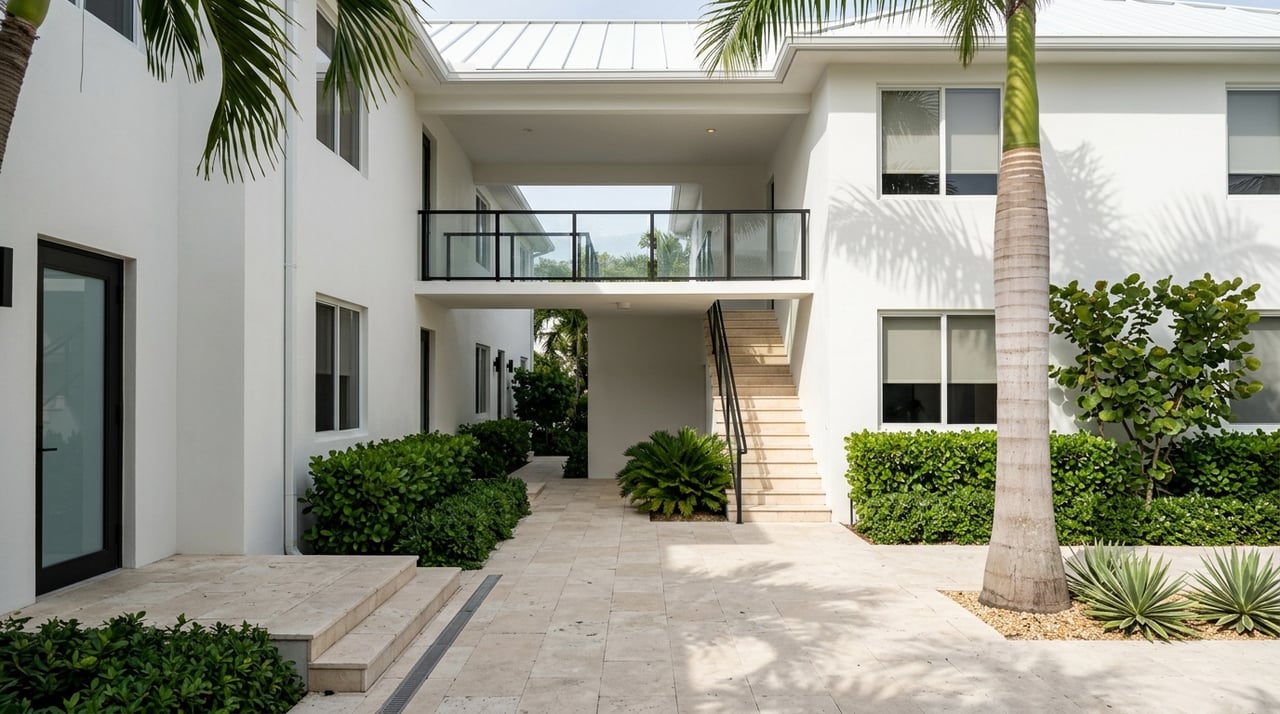
Hobe Sound Seasonal Rental Guide for Property Owners
If you own a rental property in Hobe Sound, one question can shape everything from your income plan to your day-to-day workload: should you rent it seasonally or annually? That choice is not just about pricing or occupancy. It also affects licensing, taxes, deposits, maintenance duties, and whether your community documents allow the rental strategy you have in mind. This guide walks you through the key differences so you can make a more informed decision with confidence. Let’s dive in.
In Hobe Sound, seasonality is more than a buzzword. Martin County actively promotes tourism through its Tourist Development Council, including a Winter Player Program running from November 1 through April 30. That local focus supports what many owners already see in coastal markets: demand can shift meaningfully during certain parts of the year.
Seasonal demand does not mean every property will perform the same way. Still, it does mean owners should plan carefully before choosing a rental strategy. If you own a second home, condo, or investment property in Hobe Sound, understanding how seasonal use fits your goals can help you avoid costly missteps.
At a high level, seasonal rentals usually involve shorter stays and more turnover. Annual rentals typically involve longer leases, more stable occupancy, and a different legal framework. The right fit often depends on your property type, your association rules, and how hands-on you want to be.
Here is a simple breakdown:
| Rental Type | Typical Focus | Main Compliance Issues |
|---|---|---|
| Seasonal rental | Part-year or short-term occupancy | State lodging rules, licensing, tourist tax |
| Annual rental | Longer-term residential lease | Chapter 83 landlord-tenant rules, deposits, maintenance |
For many Hobe Sound owners, this is the real decision point. You are not just choosing a lease length. You are choosing a compliance path, an operating style, and a level of ongoing management.
In Florida, a vacation rental can include certain condo or co-op units, or one- to four-family dwellings, when they operate as transient public lodging. Under Florida Statute 509.242, these properties fall under the oversight of the Division of Hotels and Restaurants.
That matters because seasonal and short-term use can trigger state licensing, inspection, and regulatory requirements. The state’s vacation-rental application also includes a seasonal checkbox for properties operated only during part of the year, which shows how important that distinction can be.
Martin County imposes a 5% tourist development tax on rentals or transient lodging of six months or less, in addition to state sales tax. According to the Martin County Tax Collector, owners who rent through platforms like Airbnb, VRBO, or HomeAway still must collect and remit that county tax because the county does not have a collection agreement with those platforms.
That is an important point for owners who assume a booking platform handles every tax obligation automatically. If you are offering shorter stays, you need to confirm exactly what you must collect, file, and remit.
Short-term and seasonal rental operations can require more active administration. The Florida Department of Business and Professional Regulation licensing pages show that operators may need online account management to add, remove, or update rental unit addresses over time.
In practical terms, seasonal rentals often come with more moving parts. Between licensing, tax filing, unit updates, and guest turnover, the operational workload can be much higher than many owners expect.
For longer-term residential rentals, Florida law typically points owners to the residential landlord-tenant framework in Chapter 83. That framework covers core landlord responsibilities, including property upkeep and how security deposits must be handled.
Under Florida’s residential landlord obligations, landlords must maintain the premises in good repair. The law also outlines how deposits must be held and disclosed, which makes proper setup essential from the beginning of the lease.
Deposit handling is one of the biggest areas where owners can run into trouble. Florida requires landlords to keep deposits in a separate account or post a bond, provide written disclosure, return the deposit within 15 days if there is no claim, or send notice within 30 days if there will be a deduction.
If that notice deadline is missed, the landlord can lose the right to make a claim against the deposit. For owners of annual rentals, that is a strong reason to use a clear system for lease paperwork, move-in condition records, and move-out timelines.
For many Hobe Sound properties, the biggest issue is not county-wide at all. It is your association. Florida HOAs are required to maintain official records that include declarations, bylaws, current rules, and contracts or management agreements, and those records can also include lease-approval information under Florida Statute 720.303.
That means the real rental restrictions for your property may live in your community documents. Some associations may regulate lease length, approval procedures, occupancy standards, or other rental-related requirements. Before you market a property as seasonal or annual, review the declaration, bylaws, and current rules carefully.
Even when rentals are allowed, approval processes can affect your timeline. If your association requires lease review or tenant approval, you will want to build that into your planning. A delay in approvals can easily affect occupancy dates and marketing strategy.
This is one reason many owners benefit from a more organized, concierge-style approach. Good planning up front can help you avoid last-minute surprises.
Martin County says a Business Tax Receipt is required for any business in unincorporated Martin County, and zoning approval must come first. If your rental setup or ownership structure rises to the level of a business, this may be something you need to verify.
This does not mean every owner will need the same filing. It does mean you should not assume state rules are the only rules that matter. Local requirements can be part of the picture too.
A seasonal rental may make sense if you want to keep part-year access to the property or if your home is well-positioned for transient use. It may also appeal to owners who are comfortable managing more frequent turnover and a more active compliance process.
The tradeoff is complexity. Licensing, tourist tax, possible filing updates, and association restrictions can all add time and responsibility.
An annual lease may make more sense if your goal is steady occupancy with fewer turnovers. It can offer a more predictable operating rhythm, although owners still need to follow maintenance and deposit rules closely.
This option is often attractive for owners who prefer a simpler leasing structure. That said, simpler does not mean hands-off. Chapter 83 obligations still require careful attention.
The compliance gap between seasonal and annual rentals is one reason professional management can be so helpful. Seasonal rentals may involve licensing, tax remittance, address updates, maintenance coordination, and association approvals. Annual rentals may involve lease administration, property upkeep, deposit handling, and move-out notices.
For owners who want a smoother process, professional support can help reduce missed steps and save time. In a market like Hobe Sound, where many owners balance second homes, investment goals, and community rules, having a local partner can make the rental experience much easier to manage.
Before you list your property, step back and evaluate three things: what your association allows, what legal framework your rental plan falls under, and how much compliance work you want to handle yourself. Those answers usually reveal whether seasonal or annual leasing is the better fit.
If you want guidance on your options in Hobe Sound, Kevin Keogh, Lighthouse Realty Group, Inc offers local insight, rental guidance, and property management support to help you move forward with more clarity.




Get assistance in determining the current property value, crafting a competitive offer, writing and negotiating a contract, and much more. Contact us today.