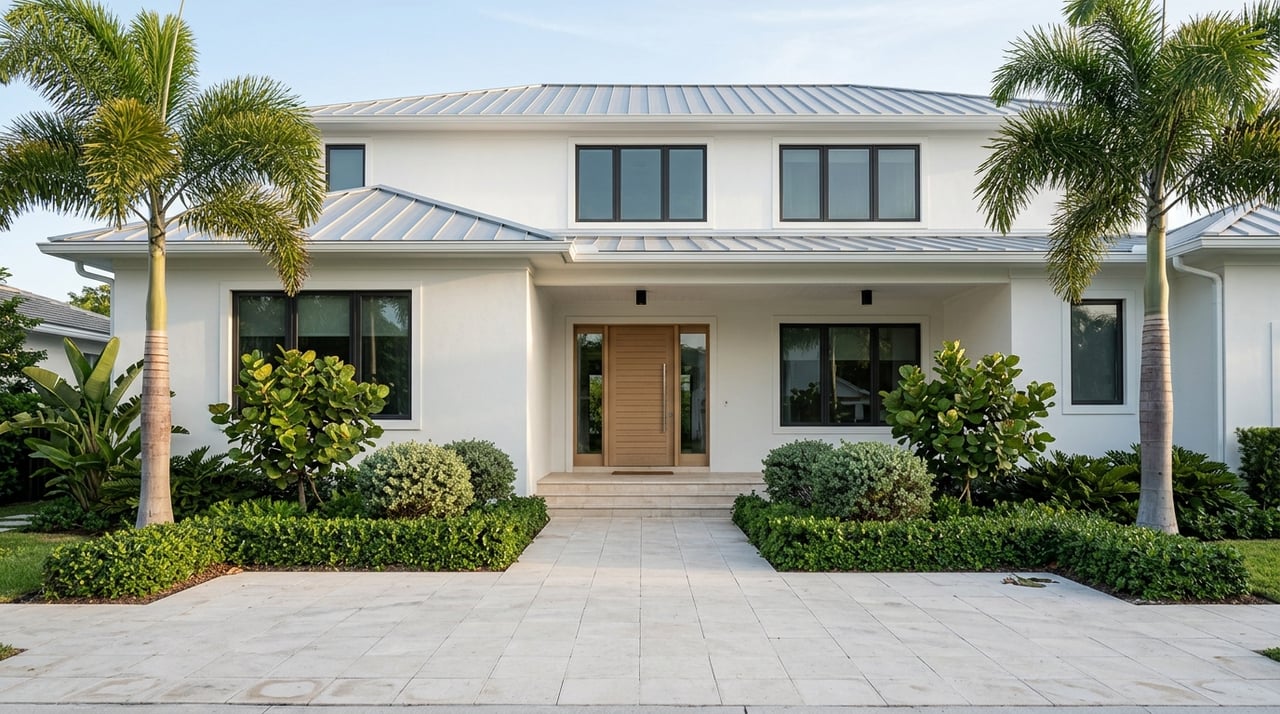
Everyday Coastal Living In Juno Beach
What does everyday life in Juno Beach really look like once the vacation feeling wears off? For many buyers, that is the question that matters most. If you are considering a move, a second home, or a beach-adjacent condo here, it helps to understand how the town feels on a normal Tuesday, not just on a sunny weekend. This guide walks you through the pace, outdoor routine, housing pattern, and nearby context that shape daily life in Juno Beach. Let’s dive in.
Juno Beach stands out because it is small, coastal, and easy to understand. According to the town, it covers about 2.65 square miles on a narrow stretch between the Atlantic Ocean and the Intracoastal Waterway, with Jupiter Inlet to the north and Palm Beach Inlet to the south.
That compact layout shapes daily life in a real way. You are not dealing with a broad inland sprawl or a long list of disconnected districts. Instead, the town has a close-knit seaside footprint that supports the “hometown atmosphere” and community identity highlighted in its own mission and vision language.
There is also a strong sense of local history in the way Juno Beach developed. The town grew around the Ocean Drive and A1A corridor, and condominiums began appearing along Ocean Drive in the 1970s. That helps explain why so much of the housing stock feels closely tied to the shoreline and coastal routine.
In Juno Beach, outdoor living is not just a perk. It is part of the daily rhythm. The town reports 2.4 miles of beaches, 11 public dune walkovers, and a 990-foot county-owned pier at the north end of town.
That means your routine can stay simple and active without much planning. A quick morning walk, a stop at the beach, or a few minutes on the pier can fit into a regular day. In a town this size, the coast is not a special destination across town. It is woven into everyday life.
Palm Beach County notes that Juno Beach Park offers guarded beachfront, parking, picnic shelters, restrooms, showers, a daily designated surfing area, and fishing access from the pier. Those practical details matter because they make the beach feel usable, not just scenic.
For many people, that is the difference between admiring the coast and actually living with it. When access is straightforward and amenities are in place, beach time becomes part of your routine more naturally.
Juno Beach also offers more than a straight beach experience. Loggerhead Park includes a pavilion, play area, nature trail, reserved picnic shelter, and lifeguards, giving residents another easy outdoor option within town.
Juno Dunes Natural Area adds even more range. Spanning 569 acres from the Atlantic Ocean to the Intracoastal Waterway, it includes an oceanfront tract, trails, and floating docks on the west tract. That makes it possible to mix a beach outing with a nature walk or water-focused stop without leaving the local area.
If you want a break from the shoreline, there are still simple ways to stay active. The town says Pelican Lake offers a 12-acre lake and about a 1-mile loop, which makes it a practical option for a walk or light outdoor exercise.
Kagan Park adds a different kind of neighborhood recreation. It includes playground equipment, bocce, basketball, and adult exercise stations. Together, these spaces support the kind of low-key, repeatable routines that make a town feel livable year-round.
One of the most distinctive parts of life in Juno Beach is that nature conservation is not in the background. The town reports that its coastline is one of the highest-density sea turtle nesting areas in the world, with Loggerhead Marinelife Center monitoring nests.
That fact shapes the town’s identity in a meaningful way. In Juno Beach, the coastal environment is not only something to enjoy. It is also something the community clearly values and helps protect.
For buyers who want a place with a strong connection to the shoreline, that can be part of the appeal. The natural setting feels active and present in everyday life, not ornamental.
If you are looking for a packed nightlife scene, Juno Beach is probably not trying to be that. Its dining scene is smaller, more local, and closely tied to the beach-town setting.
The official Palm Beaches dining guide highlights Juno Beach Café, Hurricane Café, Ke’e Grill, Juno Beach Fish House, and Aquagrille. The overall mix leans toward breakfast and brunch, casual meals, and seafood-focused dining.
That pattern fits the town itself. You have convenient local options for going out, but the restaurant scene remains compact rather than sprawling. For many residents, that adds to the appeal because it supports a quieter pace without giving up easy places to meet friends or grab a meal nearby.
Juno Beach has a broad housing mix within a very compact area. The town reports that the community includes assisted living facilities, mobile home parks, townhouses, condominium units, and single-family homes.
That range gives buyers more than one way to experience coastal living here. Some properties are directly beachfront, while others are simply close enough to make the ocean part of your normal routine. In a town this size, even homes that are not on the sand can still feel closely connected to the shoreline.
The zoning map supports that picture as well, showing a mix of beachfront, single-family, multiple-family, commercial, and open-space uses in a tight coastal footprint. For buyers, that often translates into a community where beach-adjacent living comes in several forms rather than one single housing style.
One of the best ways to understand Juno Beach is to compare it with neighboring communities. That gives you a clearer picture of whether its scale and rhythm fit what you want.
Jupiter offers a broader waterfront environment. The town says it has 3.4 miles of beaches, a Riverwalk system along the eastern shoreline of the Intracoastal Waterway, Ocean Way connecting the beaches to the Riverwalk, and Harbourside Place adding shopping, entertainment, and dining.
Compared with Jupiter, Juno Beach feels quieter and more focused. Jupiter offers more layers of activity and a larger-town experience. Juno Beach delivers a tighter-scale beach town feel where the ocean tends to shape the mood of daily life more directly.
Palm Beach Gardens presents a different lifestyle profile altogether. Its official recreation pages emphasize tennis and pickleball, a greenmarket, youth and community centers, and golf-course dining.
That makes Palm Beach Gardens a useful contrast for buyers who are deciding between a coastal setting and a more inland, amenities-driven environment. Compared with Juno Beach, it feels more suburban and recreation-centered, while Juno Beach stays rooted in the shoreline experience.
Juno Beach can make sense for several kinds of buyers. If you want a coastal condo, a beach-adjacent home, or a second property in a compact seaside community, the town offers a lifestyle that is easy to picture and easy to use.
It may also appeal to you if your ideal day looks simple. Maybe that means a morning walk near the water, an easy stop at a local café, a short trip to the park, or a sunset visit to the beach without much planning.
What Juno Beach does especially well is consistency. It offers a clearly defined coastal lifestyle in a small footprint, with natural beauty, accessible outdoor spaces, and a local pace that feels steady rather than crowded.
If you are weighing whether Juno Beach fits your goals, it helps to look beyond listings and think about your routine. The right home is not just about square footage or finishes. It is also about whether the setting supports the way you want to live every day.
If you want help understanding how Juno Beach compares with nearby communities, or you are starting your search for a condo, home, rental, or investment property along the coast, Kevin Keogh, Lighthouse Realty Group, Inc offers the local insight and concierge-level guidance to help you move forward with confidence.

Get assistance in determining the current property value, crafting a competitive offer, writing and negotiating a contract, and much more. Contact us today.