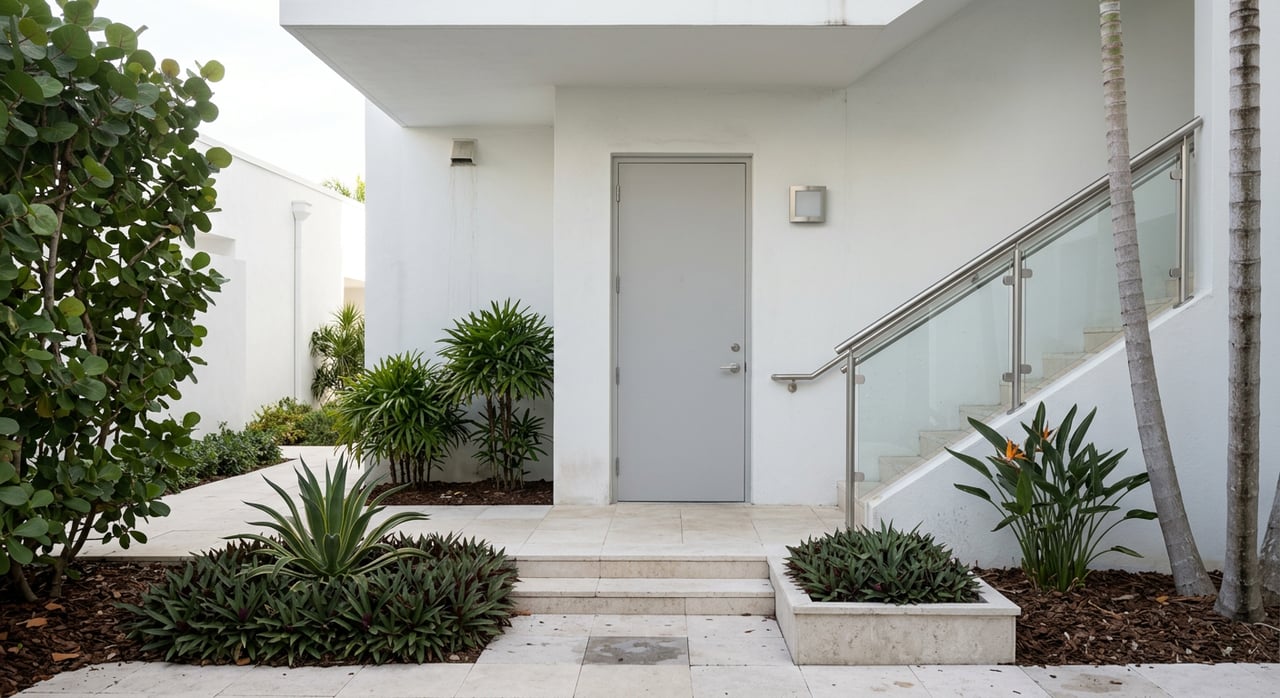
Condo Or House In Juno Beach: How To Decide
Trying to choose between a Juno Beach condo and a single‑family house? You want the sand, sea, and easy living, but you also want to make a smart financial move that fits your day‑to‑day life. In this guide, you’ll compare costs, amenities, rules, insurance, and resale so you can decide with confidence. You’ll also get a quick checklist to keep your search focused. Let’s dive in.
Juno Beach is a small coastal town in Palm Beach County with oceanfront parks, a beloved fishing pier, and easy access to nearby centers. It sits between North Palm Beach and Jupiter, with about 3,858 residents across 2.7 square miles. You can confirm the town’s location and snapshot on the Juno Beach page on Wikipedia.
Public beach access and parking at places like Juno Beach Park and the pier make walk‑to‑sand living a big draw. If you plan to commute, test real drive times. West Palm Beach is typically a short drive, while Boca Raton and Delray Beach can take longer depending on traffic and origin. A practical tip is to map your routes during your normal travel windows and see how it feels in real time.
Recent zip‑level data for 33408 show a notable gap between condos and single‑family homes. In a December 2025 closed‑sales snapshot, the median for all property types was around the upper‑700s, with single‑family homes higher than condos, and condos at a materially lower median than detached houses. In a small coastal town, monthly medians can swing based on a handful of sales, and different providers may report listing medians or automated values instead of closed sales.
What this means for you: a condo can often be a lower entry point near the beach compared to a house. A single‑family home typically costs more to purchase but may offer land, privacy, storage, and long‑term scarcity value. Always compare recent closed sales on your specific street or building to check how the broader pattern applies to your target.
Bottom line: condos trade lower hands‑on maintenance for higher and more predictable monthly dues. Houses trade lower dues for more direct responsibility and potential large repair bills over time.
If you plan to Airbnb or VRBO your property, Juno Beach requires registration and compliance with safety and operational standards. Advertising short stays can create a presumption that your place is a vacation rental, so register and follow the rules from the start. Read the town’s ordinance for specifics: Juno Beach vacation rental requirements.
Palm Beach County also requires you to collect and remit the Tourist Development Tax for rentals of six months or less. Get details and register here: Palm Beach County TDT guidance.
Remember, even if the town allows it, your condo or HOA can set stricter rental rules, including minimum stays or limits on the number of rentals per year.
Parts of Juno Beach lie in FEMA Special Flood Hazard Areas. Your lender may require flood insurance based on your property’s zone and elevation. Start by using the FEMA Flood Map Service Center to look up the property’s flood zone: FEMA flood maps.
Flood premiums vary by address and building details. National and Florida averages can range from the hundreds into the thousands per year for coastal AE or VE zones. Compare NFIP and private quotes before you buy. For a plain‑English primer, see the NAR consumer guide to flood insurance and a Florida cost overview from NerdWallet’s flood insurance explainer.
Florida’s coastal insurance market evolves as carriers adjust rates and underwriting. Pricing depends on distance to water, construction type, age, roof, and impact protection. Check likely premiums early and confirm wind mitigation features. For statewide context on insurance conditions and Citizens’ rate discussions, review the Florida Office of Insurance Regulation presentation.
Florida’s building code sets wind and impact standards, with stricter requirements for coastal properties. Ask about permitted upgrades, impact‑rated windows, shutters, roof age, and any recent engineering reports. For an overview of Florida building code and permitting, see this statewide code resource.
Palm Beach County taxes vary by assessed value, exemptions, and millage rates. Use the County Property Appraiser to estimate real taxes for a specific address. Then add HOA or condo dues, flood and homeowners insurance, and utilities to understand the full monthly picture. Start with the Palm Beach County property tax roll overview.
Condo loans involve a project‑level review. Lenders and the agencies look at owner‑occupancy, reserves, litigation, and short‑term rental policies. A non‑warrantable building can limit loan options and increase down payment needs. Have your lender review the project early so you avoid surprises. Learn more about condo warrantability basics.
Resale often comes down to location, building condition, reserves, litigation status, and rental rules. Single‑family homes near the beach can benefit from scarcity, while condos’ liquidity varies by building health and buyer demand. Your best guide is recent closed sales in your specific building or on your target street.
Use this list to compare a Juno Beach condo and a house side by side:
Choose a condo if you want low‑maintenance living close to the sand, with amenities that make part‑time or lock‑and‑leave use simple. Focus on buildings with strong reserves, recent engineering, and rental policies that align with your goals.
Choose a house if you want privacy, storage, and the ability to customize your space. Budget for ongoing maintenance, and confirm insurance and flood costs early so the numbers match your comfort zone.
If you want help weighing tradeoffs in a specific building or neighborhood, reach out. Our team knows the details that matter from reserves and rental rules to insurance and resale.
Ready to compare real options in Juno Beach? Connect with Kevin Keogh, Lighthouse Realty Group, Inc for local guidance and a clear plan.

Get assistance in determining the current property value, crafting a competitive offer, writing and negotiating a contract, and much more. Contact us today.