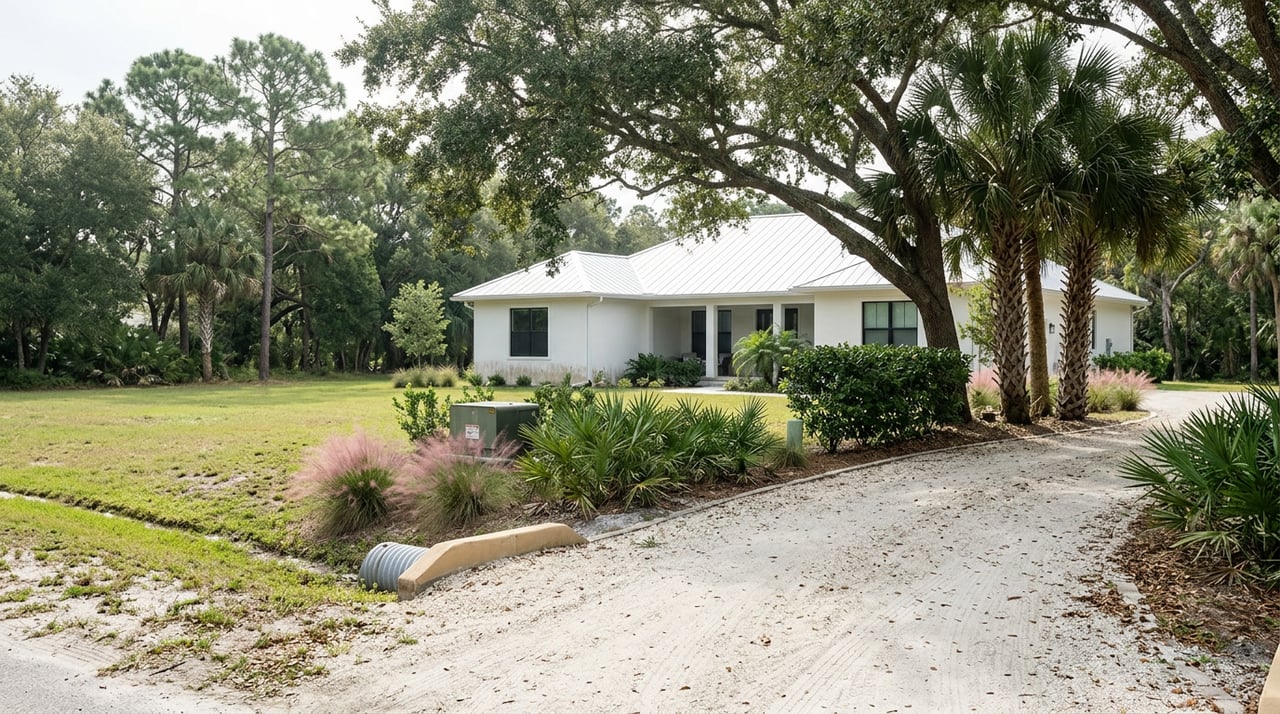
Jupiter Farms Acreage Living: What Buyers Should Know
Dreaming of room to breathe, keep a few horses, or build a workshop without the tight rules of an HOA? Jupiter Farms offers that semi‑rural lifestyle just west of coastal Jupiter. You get space, privacy, and a country feel with access to beaches, parks, and town nearby. In this guide, you’ll learn how acreage living works here, what to check before you buy, and the key rules and services that shape daily life. Let’s dive in.
Jupiter Farms is an unincorporated, low‑density community along the Indiantown Road corridor. The area was planned to protect a rural character, with open lots, equestrian activity, and neighborhood parks. You can explore the area’s vision and policies in the county’s Jupiter Farms Neighborhood Plan.
On paper, the Future Land Use designation is RR‑10, which requires newly created lots to be at least 10 acres. Many existing parcels are smaller because they were created before the current plan and are considered legal nonconforming. In practice, you’ll find numerous 1.25‑acre to 5‑plus‑acre lots, with prices varying by usable acreage and improvements.
The predominant zoning is Agricultural‑Residential (AR). Under AR and the county code, agriculture, private stables, and low‑intensity rural uses are generally allowed, subject to standards like setbacks and environmental limits. Review permitted uses in the county’s AR district ordinance and ULDC before you plan a barn or shop. See the AR use references in the zoning ordinance and the broader ULDC planning and zoning pages.
Acreage living here often means managing a few systems yourself. A little homework up front goes a long way.
Many properties use private wells for water and onsite septic for wastewater. Always confirm the potable water source, well depth and yield, and the type, capacity, and age of the septic system. As part of inspections, request a licensed septic evaluation and a well test for water quality and, if needed, a pump‑yield test. County guidance for agricultural and permitting topics is available on the Palm Beach County improvements page.
Roadside swales and canals are key to how Jupiter Farms handles stormwater. The South Indian River Water Control District (SIRWCD) manages much of the local drainage network and performs certain road maintenance tasks. Because parcels can include both uplands and wetlands, it is smart to contact SIRWCD for a parcel’s drainage and road history and to confirm whether a road is in the district’s maintenance inventory.
You’ll encounter a mix of public, district‑maintained, and private roads, including some unpaved stretches. Private roads may be the responsibility of property owners or associations, not the county. Before you buy, verify recorded easements and any road maintenance agreements noted in the Jupiter Farms Neighborhood Plan and your title work.
Electric service is widely available, but older rural meters or smaller main panels appear on some homes. Natural gas is uncommon on many acreage parcels, while propane tanks and standby generators are common for backup. Internet can vary by street. Some addresses have fiber or cable, while others use fixed wireless, cellular home internet, or satellite. Always check availability by exact address and test cellular signal on site.
If you plan to keep horses or run a small hobby farm, Jupiter Farms is one of the region’s go‑to areas.
The county code contemplates private stables and equestrian activity within AR zoning, with rules that scale by parcel size and use intensity. Larger or commercial operations can require additional approvals. Before you build a barn or arena, confirm the right process and setbacks with the county using the ULDC resources.
Jupiter Farms Park includes an equestrian facility and partners with the local horsemens association on community activities. It is a helpful touchpoint for riders and owners planning trails and events. View details on Jupiter Farms Park.
Horses and farm operations create additional liability and property exposures. Homeowners often carry farm or equine liability policies, and commercial boarding or training requires specialty coverage. A conversation with an experienced equine insurance agent can clarify options for premises liability and animal care coverage.
Acreage living frequently includes projects. Make sure each one is permitted and compliant.
New barns, arenas, workshops, and other accessory structures require building permits and must meet setback, height, and lot‑coverage limits under the ULDC and Palm Beach County Building Division. Ask planning staff to share the development standards that apply to your exact zoning and lot size. The county’s ULDC pages are your starting point.
Palm Beach County allows one owner‑occupied Accessory Quarters by right, with size tied to lot area. The code provides examples like up to 800 square feet on lots under 1 acre and up to 1,000 square feet on lots 1 acre or larger. Separate utility meters are not allowed, and the ADU must stay under the same ownership as the main home. Review the current accessory‑residential standards in the county’s Accessory Quarters guidance and verify any updates with staff.
Onsite sewage treatment and disposal systems are permitted under state and local rules. System type, capacity, and siting are parcel specific. Wells may need treatment, and some buyers choose to test for bacteria and nitrates. For process details, the county’s agricultural and permitting page outlines the typical steps.
Some parcels contain or border wetlands, which can affect buildable area and require additional review. Always check FEMA flood maps and request county environmental mapping early. Start with the FEMA Flood Map Service Center and the wetland references in the Jupiter Farms Neighborhood Plan.
Recent neighborhood snapshots place typical home values in the high‑hundreds of thousands, often around the 700 thousand to 850 thousand range. Pricing swings with usable acreage, drainage characteristics, paved versus unpaved access, and improvements like barns, paddocks, cleared land, and newer roofs.
Acreage living offers clear benefits and a few tradeoffs:
Use this list for any Jupiter Farms parcel you are considering:
Acreage properties reward careful due diligence. With the right checks, you can secure a parcel that fits your lifestyle, budget, and long‑term plans. If you’re weighing horses, an ADU, or a future workshop, local code insight and parcel‑level research will help you buy with confidence.
Have questions about a specific lot or want help structuring inspections and contingencies? Reach out to Kevin Keogh, Lighthouse Realty Group, Inc for a friendly, data‑driven consultation tailored to Jupiter Farms.


Get assistance in determining the current property value, crafting a competitive offer, writing and negotiating a contract, and much more. Contact us today.