Search

Leave a Message

By providing your contact information to Kevin Keogh, Lighthouse Realty Group, Inc, your personal information will be processed in accordance with Kevin Keogh, Lighthouse Realty Group, Inc's Privacy Policy. By checking the box(es) below, you consent to receive communications regarding your real estate inquiries and related marketing and promotional updates in the manner selected by you. For SMS text messages, message frequency varies. Message and data rates may apply. You may opt out of receiving further communications from Kevin Keogh, Lighthouse Realty Group, Inc at any time. To opt out of receiving SMS text messages, reply STOP to unsubscribe.

Thank you for your message. We will be in touch with you shortly.

Impact Windows vs. Shutters For Hobe Sound Homes

Storm season on the Treasure Coast does not give you much warning. If you own or are buying in Hobe Sound, you are likely weighing impact-rated windows against storm shutters and trying to decide what fits your home, budget, and lifestyle. You want solid protection that also makes sense for insurance and resale. This guide breaks down how each option performs in our coastal environment, what it costs over time, and how to document upgrades the right way so you feel confident in your choice. Let’s dive in.

Hobe Sound risks and what windows cannot fix

Hobe Sound faces hurricane-force winds, windborne debris, salt air corrosion, and in some areas storm surge or flooding. These hazards drive the need for wind and impact protection on doors and windows. Flood risk is a separate issue that windows or shutters do not solve, so plan for flood mitigation and insurance independently.

Local permitting follows the Florida Building Code. Products are expected to meet design pressure and impact standards. For peace of mind and insurance, keep your permits and product approvals organized.

Impact windows at a glance

How impact windows protect

Impact windows use laminated or tempered laminated glass in reinforced frames to resist penetration from debris and to handle design wind pressures. The laminated interlayer helps the glass stay intact even if it cracks, which supports the home’s envelope during a storm. Because they are always in place, they provide continuous protection without any setup.

Pros for Hobe Sound homes

  • Always ready, no deployment before a storm.
  • Clear views and natural light, even during a weather watch.
  • Useful day to day: improved sound reduction and potential thermal performance, depending on glass and frame options.
  • Clean curb appeal with no external storage or panel racks.
  • Added security benefit because the laminated glass is harder to breach.

Considerations and downsides

  • Higher upfront cost compared with many shutter systems, especially for full-home replacements.
  • If glass is severely fractured, replacement can be costly even though the interlayer often holds.
  • Coastal considerations matter. Frames and fasteners should be corrosion resistant to handle salt air exposure, and installation must follow approved methods to meet code and insurance expectations.

Storm shutters at a glance

Types and how they work

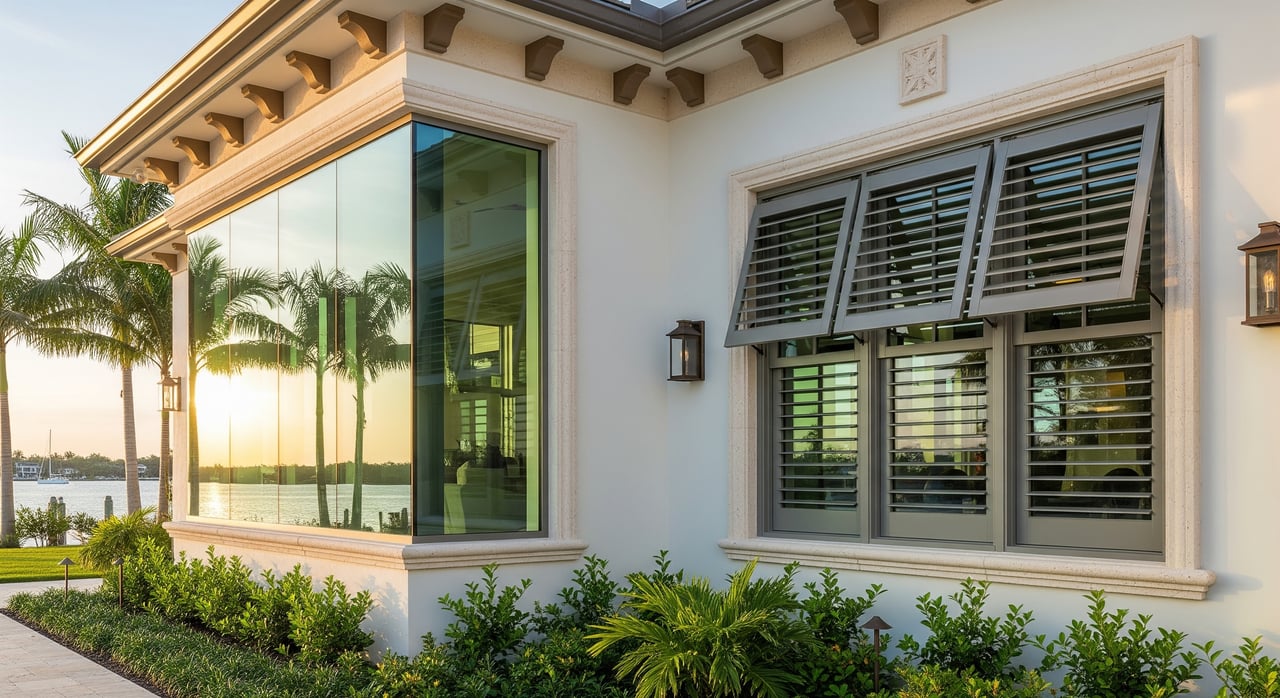
Shutters are exterior protective systems that block debris from striking the glass. Options include removable storm panels, track-mounted panels, accordion shutters, roll-down shutters, and Bahama or colonial styles. Performance varies by product rating and installation.

Pros for Hobe Sound homes

  • Lower-cost paths exist, particularly with removable panels.
  • Quick deployment with accordion or motorized roll-down systems.
  • Flexible strategy. You can add shutters to select openings, such as large sliders or secondary rooms.
  • Some styles offer design appeal and can integrate into the façade.

Considerations and downsides

  • No protection if they are not deployed before a storm. Evacuations or fast-moving systems can complicate last-minute preparations.
  • Manual panels require storage and labor. Larger homes may need multiple people to set up.
  • More exposed hardware and moving parts increase maintenance in a salt air environment.
  • When closed, shutters block light and views.

Head-to-head comparison: what matters most

  • Continuous protection: Impact windows are always on. Shutters work only when deployed.
  • Flexibility and targeted spending: Shutters can be added to select openings and offer a wide range of price points.
  • Ease of preparation: Impact windows require no action. Motorized shutters close quickly but add cost and maintenance.
  • Salt air durability: Both require coastal-rated materials. Shutters usually have more exposed tracks and hardware, so plan on periodic upkeep.
  • Energy and noise: Impact windows typically provide better thermal and acoustic benefits compared with shutters alone.
  • Curb appeal: Impact windows preserve clean lines. Decorative shutter styles can look integrated, but utilitarian panels can detract if visible or poorly stored.

Cost and value over time

Upfront cost factors

Impact window pricing depends on the number and size of openings, frame material, glass type, and installation complexity. Full replacement is a larger project than new construction installation during a build or remodel. Shutter pricing ranges from economical panels to premium motorized roll-down systems. Coastal-grade finishes and hardware increase initial cost for both.

Get multiple written estimates from licensed contractors in Martin County. Local quotes vary, and comparing scope, approvals, and warranties is essential.

Maintenance and lifespan

Impact windows tend to have lower day-to-day maintenance needs. You will clean the glass and periodically check seals and frames. Quality products often offer long service life, but warranties vary by manufacturer.

Shutters require more regular attention. Tracks and fasteners need lubrication and inspection, and exposed surfaces may require repainting or coating. Motorized units introduce electrical and mechanical components that need periodic service. Panels can be damaged in storage and may need replacement over time.

Consider total cost of ownership that includes initial price, maintenance, potential insurance credits, and any energy savings.

Insurance credits and resale

Many insurers offer premium credits for wind mitigation features like approved impact windows or rated shutters. The amount and requirements vary by carrier. Expect to provide documentation, such as product approval numbers, permit records, and installation or inspection reports. Check with your current or prospective insurer before you choose a product so you know what counts toward discounts.

For resale, impact windows are commonly viewed as a structural upgrade with low-maintenance hurricane protection and everyday living benefits. Decorative or integrated shutter systems can enhance curb appeal when matched to the home. Regardless of approach, gather permits and approvals so buyers and insurers can verify the upgrade.

Local rules, approvals, and installation

Permits and product approvals

Work in Martin County is permitted under the Florida Building Code. Products should carry recognized approvals that demonstrate performance for design pressures and impact resistance. Miami-Dade County Notices of Acceptance are widely recognized, and many manufacturers use those certifications to show quality even outside the most stringent zones. Keep your approvals and permits organized for insurance and disclosure.

Choosing the right contractor

  • Hire licensed and insured contractors with coastal Florida experience.
  • Request product approval documentation and written installation methods.
  • Ask for local references and examples of recent Martin County projects.
  • Plan for inspections after installation, which can support insurance credits and later resale.

Site and design specifics to assess

  • Proximity to the ocean or Intracoastal and property elevation can influence your risk profile.

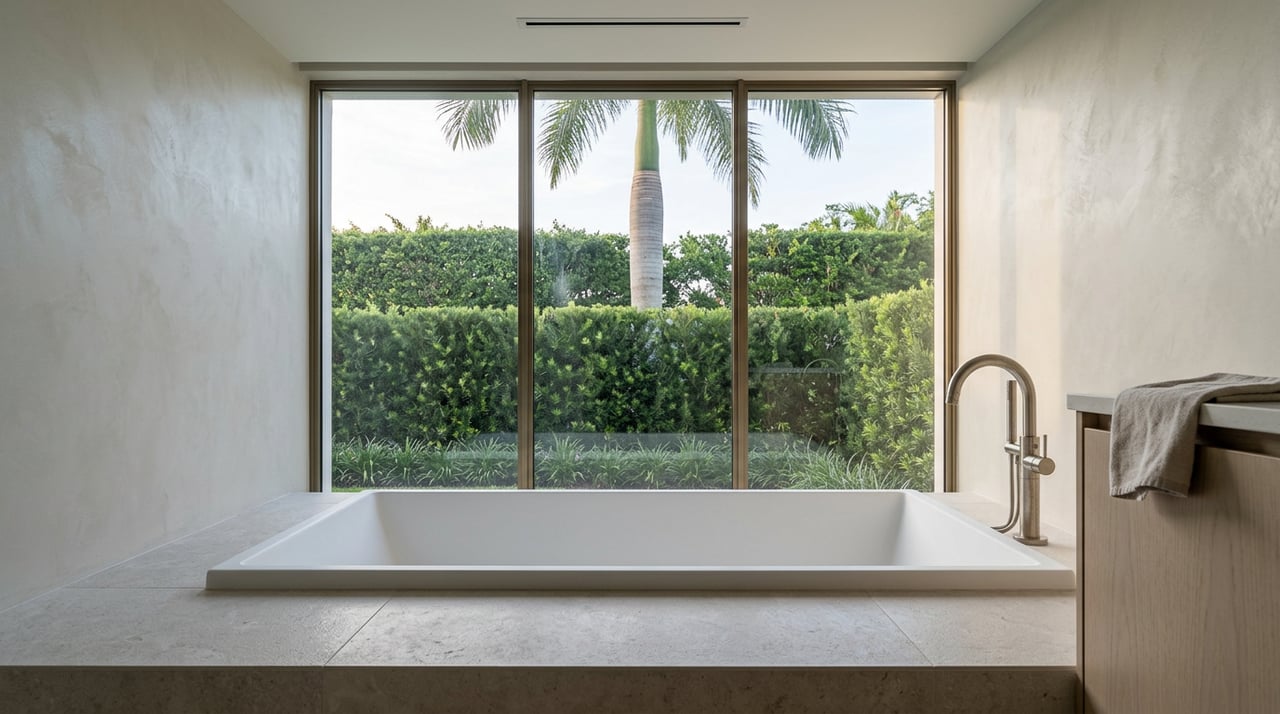
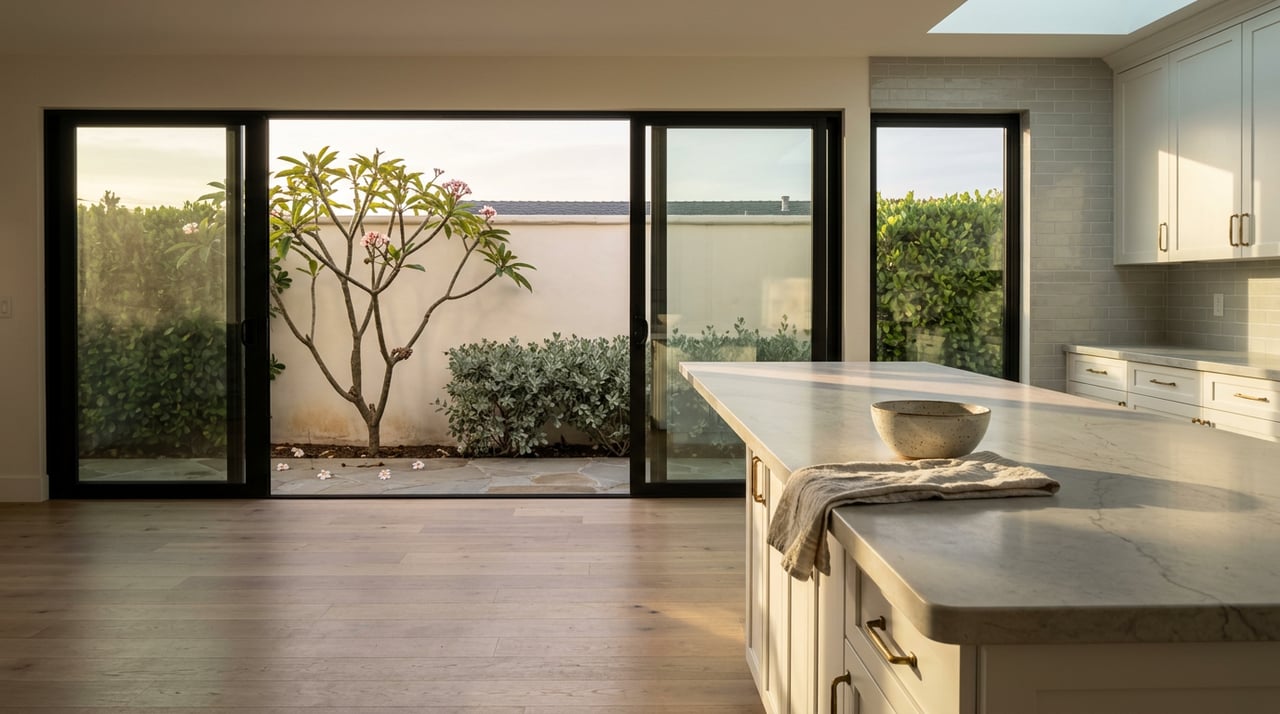
  • Large sliders and glass walls are common in coastal homes. They can shift the cost-benefit toward impact glass to preserve views and ease of use.

  • Review HOA or design guidelines. Some communities limit certain shutter styles or require specific aesthetics.

  • Ensure you have secure, dry storage if you plan to use removable panels.

When to choose each option

Choose impact windows if you want hands-off, always-on protection and daily benefits like quieter interiors and consistent natural light. They make sense if you plan to own the home for many years or want minimal storm prep.

Choose shutters if you want lower upfront costs or a targeted approach. Panels can cover less-used spaces, and motorized or accordion systems offer faster deployment without replacing existing glass.

Consider a hybrid. Many owners combine systems, such as impact windows for primary living areas and shutters for large openings that are rarely used. This strategy balances budget with convenience and protection.

Quick decision checklist

  • What is your primary goal: instant no-prep protection, lower upfront cost, aesthetics, or energy benefits?
  • How many openings do you have, and what sizes are they?
  • Are you in a higher exposure location where always-on protection is preferred?
  • What will your insurer recognize for wind mitigation credits, and what documentation is required?
  • Do HOA or design rules limit visible shutter types or colors?
  • Do you want to preserve views and daylight during storm watches?
  • What is your budget for installation and ongoing maintenance?
  • Can you obtain and keep permits, product approvals, and inspection reports for future resale?

Smart next steps

  1. Define your priorities using the checklist above.
  2. Call your insurer to confirm what upgrades qualify for credits and what documentation they require.
  3. Get multiple written quotes from licensed Martin County contractors for both impact windows and shutter options, including coastal-grade hardware and finishes.
  4. Confirm permitting requirements and retain all approvals and inspection records.
  5. If you plan to sell, assemble a clean package of permits, product approvals, and invoices. Buyers value documented, code-compliant upgrades.

If you want a local perspective on how these choices affect value in Hobe Sound neighborhoods, reach out to schedule a quick conversation. We can share what buyers ask for most and how to position upgrades when you sell. Connect with Kevin Keogh, Lighthouse Realty Group, Inc to start a plan that fits your home and goals.

FAQs

What protection do impact windows provide during a hurricane?

  • They help resist windborne debris and maintain the building envelope, but they do not eliminate other risks like roof damage or flooding.

Do storm shutters qualify for insurance discounts in Martin County?

  • Many insurers offer credits for rated shutters, but requirements and amounts vary, and you will need documentation like approvals and installation records.

Can I combine impact windows and shutters on the same home?

  • Yes, mixing systems is common, such as impact glass for main living areas and shutters for large or less-used openings.

How long does installation take for a Hobe Sound home?

  • Timelines vary by scope, but full-home window replacement can take days to weeks, while shutters often install faster, especially non-motorized types.

Do windows or shutters improve energy efficiency more?

  • Impact windows with insulated glazing and low-E coatings typically provide better thermal performance than shutters alone.

Do I still need flood insurance if I install impact windows?

  • Yes, flood risk is separate from wind and debris protection, so you should address it with appropriate mitigation and insurance.

Work With Us

Get assistance in determining the current property value, crafting a competitive offer, writing and negotiating a contract, and much more. Contact us today.