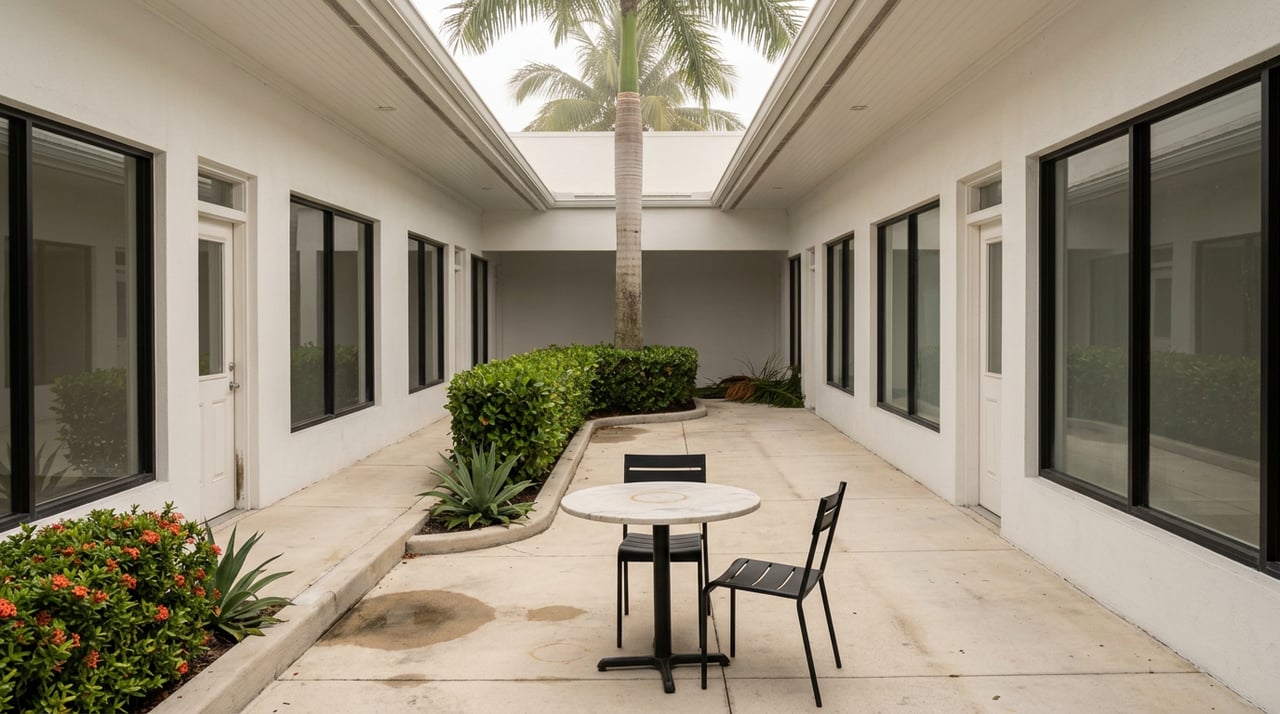
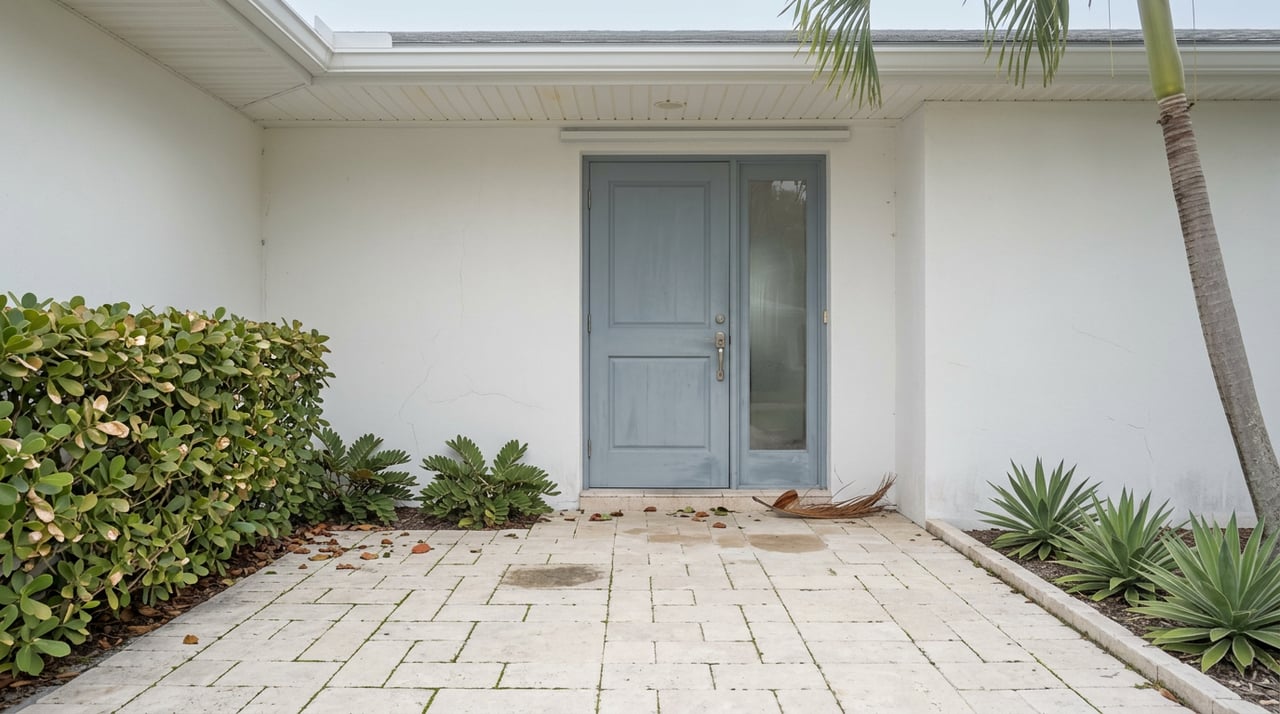
Thinking about buying in Palm Beach Gardens and stuck between a brand-new build and a well-kept resale? You’re not alone. The choice affects your budget, insurance, timeline, and day-to-day maintenance in a coastal market where hurricane codes and HOAs play a big role. In this guide, you’ll compare the key trade-offs with clear, local context so you can decide with confidence. Let’s dive in.
Palm Beach Gardens market at a glance
Palm Beach Gardens offers a wide mix of housing: single-family homes, gated and master-planned communities, golf-course neighborhoods, and condos or townhomes. You’ll see both infill resales and new subdivisions, often aimed at higher-end buyers who value amenities, energy efficiency, and hurricane-resilient construction.
Local factors matter. The coastal climate, Florida Building Code, and community rules influence construction standards, insurance, and carrying costs. In master-planned communities around PGA-area and similar developments, HOA fees and amenity structures can affect your budget and overall value.
New vs. resale: how they compare
Price and total cost
- New construction often lists higher and carries a higher price per square foot due to modern systems, finishes, and builder costs. You may also see developer or HOA fees in planned communities.
- Resale homes can offer a lower entry price or more room to negotiate, though sought-after neighborhoods may outprice new builds. Plan for upgrades or near-term repairs on older systems.
Customization and finishes
- New homes let you select floor plans and finishes during construction. After completion, changes cost more.
- Resales limit you to renovations and cosmetic updates, but many buyers value mature landscaping and established streetscapes.
Timeline and closing
- New construction may take months to a year. You’ll manage staged milestones, a Certificate of Occupancy, and a final punch list.
- Resales usually close faster once inspections and financing are complete, following standard timelines and contingencies.
Inspections, warranties, and quality
- New builds typically come with warranties. A common structure is a one-year limited warranty, two-year systems coverage, and a 10-year structural warranty. Always verify the exact terms in the builder’s written warranty and use the punch-list process.
- Resales come “as-is” without builder coverage. Plan for a full inspection, plus roof, termite/WDI, pool, and specialty checks as needed.
Financing and appraisal
- New construction may offer lender incentives or construction-to-permanent options. Appraisals can be tricky if nearby comps are older and lower-priced.
- Resales rely on established comps, which can support appraisals, but older homes might need repairs for loan approval.
Insurance and storm resilience
- New homes are built to current Florida Building Code with stronger hurricane standards and wind mitigation features. That can help with premiums, though flood insurance still depends on your FEMA flood zone and elevation.
- Older homes may lack current wind mitigation features. Retrofitting is possible but adds cost.
HOA, amenities, and rules
- New communities start under developer control and often include mandatory memberships, amenity assessments, and potential initiation fees. Reserves and dues may evolve as the community matures.
- Established HOAs in resales offer a history of budgets, reserves, and policies that you can review before committing.
Resale value and marketability
- New homes attract buyers who want turnkey living and modern features. Keep in mind that when many similar homes hit the market later, competition can rise.
- Resales with strong locations, larger or more mature lots, and thoughtful updates often compete well on value and character.
What to verify in Palm Beach Gardens
Flood zones and elevation
Flood risk and elevation are critical. Ask for the finished-floor elevation on new builds and an elevation certificate when available. Your flood zone and elevation will influence insurance and long-term planning.
Building codes and permits
New construction must meet the latest Florida Building Code and pass local inspections. For resales, review the property’s permit history with the city to confirm work was completed and closed properly.
Taxes and assessments
Account for Palm Beach County property taxes and any non-ad valorem assessments for services or drainage. If you plan to homestead, review eligibility and timelines to understand future tax implications.
Waterfront and site issues
For waterfront or canal properties, evaluate seawalls, docks, and maintenance districts. Tree species, drainage, and soil can affect upkeep and insurance needs.
Buyer checklist: new construction
Use this to reduce surprises and protect your investment.
- Builder reputation and track record: local references, complaint history, licensing.
- Written warranty specifics: coverage, exclusions, and how claims are handled.
- Contract review: deposits, change-order pricing, deadlines, financing contingency, and closing flexibility.
- Construction timeline: what happens if costs escalate and how allowances are handled.
- Permits and inspections: confirm all permits and secure the Certificate of Occupancy.
- Elevation certificate and flood zone: request finished-floor elevation.
- HOA documents: CC&Rs, current budget, reserve details, and developer control period.
- Independent inspections: pre-drywall if possible and a thorough final inspection plus punch list.
- Energy and wind mitigation: insulation, windows, doors, roof tie-downs, hurricane-rated features.
- Insurance quotes: obtain homeowners and flood estimates before committing.
Buyer checklist: resale
Focus on condition, risk, and true cost of ownership.
- Full home inspection: structure, roof, HVAC, plumbing, and electrical.
- Termite/WDI inspection and treatment history.
- Age and condition of roof and AC: plan for remaining lifespan and replacement costs.
- Flood zone and elevation: ask for any elevation certificates and prior flood claim information.
- HOA/condo documents: review budgets, reserves, and what the master policy covers.
- Title and easements: check for septic or utility easements and access issues.
Seller strategies to compete with new builds
Prep and positioning
- Price with nearby new construction in mind. Consider incentives such as a rate buy-down or a credit for updates.
- Highlight advantages resales offer: mature landscaping, lot size, location, and completed upgrades.
- Consider a pre-inspection and repair plan to reduce buyer hesitation and speed up the process.
If new development is nearby
- Track upcoming phases that may affect pricing and supply.
- Time your listing to avoid overlap with major builder releases when possible.
- If exploring a builder trade-in or similar program, understand valuation methods and timelines before committing.
Insurance and financing in Florida’s market
Florida’s insurance market has seen volatility. Get quotes early, especially for homes with older roofs or limited wind mitigation. Ask about wind credits for features like roof straps, secondary water resistance, and hurricane-rated openings. For financing, be mindful of appraisal gaps on new builds and potential repair requirements on older homes.
How to choose what fits your goals
- Prioritize maintenance and convenience: if low maintenance and modern standards matter most, new construction may suit you.
- Value and character: if you prefer established neighborhoods, mature trees, and potentially lower price per square foot, a resale could be the better fit.
- Carrying costs: compare HOA dues, amenity fees, tax projections, and insurance for each property on your shortlist.
- Timing: if you need to move soon, a resale often closes faster. If you can wait, a new build offers customization.
Ready to compare options?
If you want a local, side-by-side look at real inventory in Palm Beach Gardens and nearby communities, we’re here to help you weigh costs, timelines, and long-term value. For a tailored consultation or to map your next steps, connect with Kevin Keogh, Lighthouse Realty Group, Inc.
FAQs
Is new construction in Palm Beach Gardens always a better investment?
- Not always. New builds can reduce short-term maintenance and offer modern features, but appreciation depends on location, supply of similar homes, and broader market trends.
Will my insurance be cheaper on a new home in Palm Beach Gardens?
- It can be, due to modern wind mitigation, but flood premiums depend on your FEMA flood zone and elevation rather than age alone.
Can I and should I inspect a new build in Palm Beach Gardens?
- Yes. Arrange independent inspections (pre-drywall if possible and final) and use the builder’s punch-list process before closing.
How do appraisals work for new builds versus resales locally?
- Appraisals rely on comparable sales. If new homes are priced above older comps, you may need to bridge a gap or negotiate incentives.
What HOA documents should I review in Palm Beach Gardens communities?
- Request CC&Rs, the current budget, reserve details, rules on amenities, and any initiation or assessment fees to understand total carrying costs.
What should sellers do to compete with nearby new construction?
- Price strategically, highlight mature-lot advantages, consider buyer incentives, and complete repairs upfront to reduce friction and boost marketability.