
Relocating to Juno Beach: Your Guide to Coastal Life
Dreaming of morning walks on a quiet Atlantic beach? If Juno Beach is on your short list, you already know the draw: a laid-back coastal town with easy beach access and a strong sense of place. Relocating here takes a bit of planning, from insurance and flood zones to HOA rules and seasonal market timing. This guide gives you a clear, practical look at housing, costs, climate risks, services, and a step-by-step plan to make your move smooth. Let’s dive in.
Juno Beach sits in northeastern Palm Beach County, tucked between Jupiter and Palm Beach Gardens. You get a small-town coastal feel with quick access to larger employment and shopping hubs. The community centers around the shoreline, the Juno Beach Pier, and the beloved Loggerhead Marinelife Center. Life here leans outdoorsy, relaxed, and convenient.
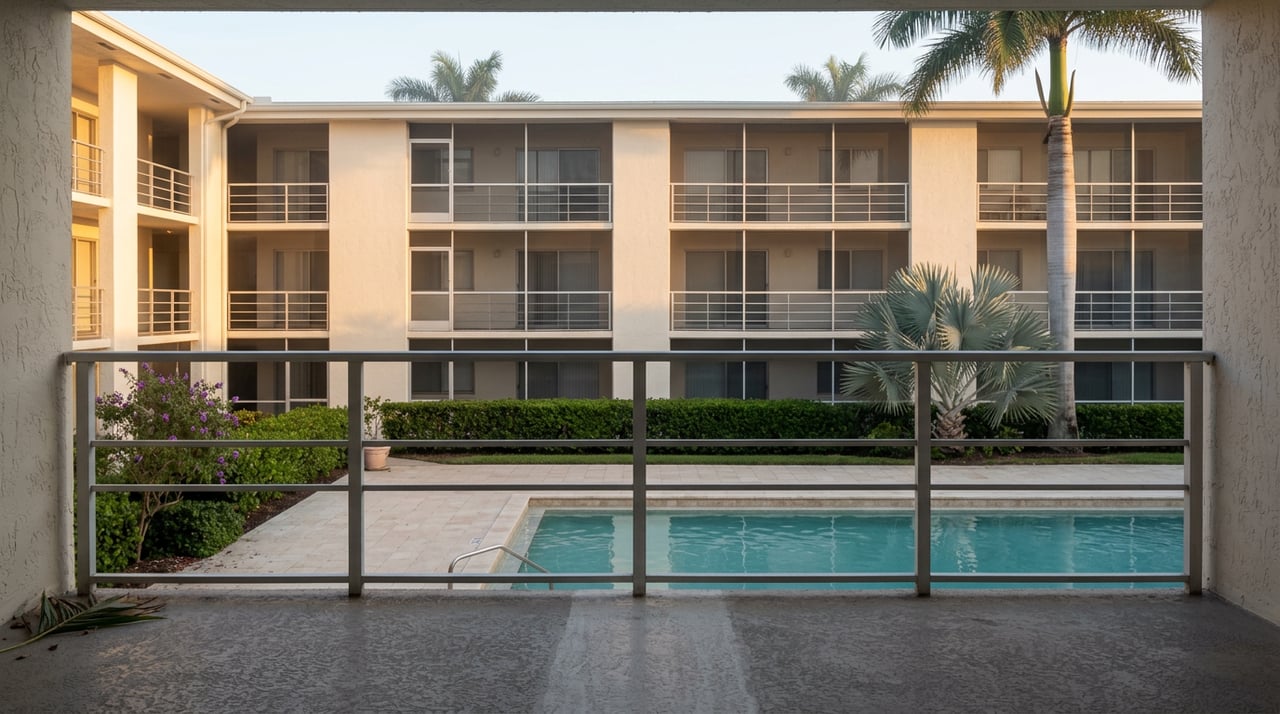
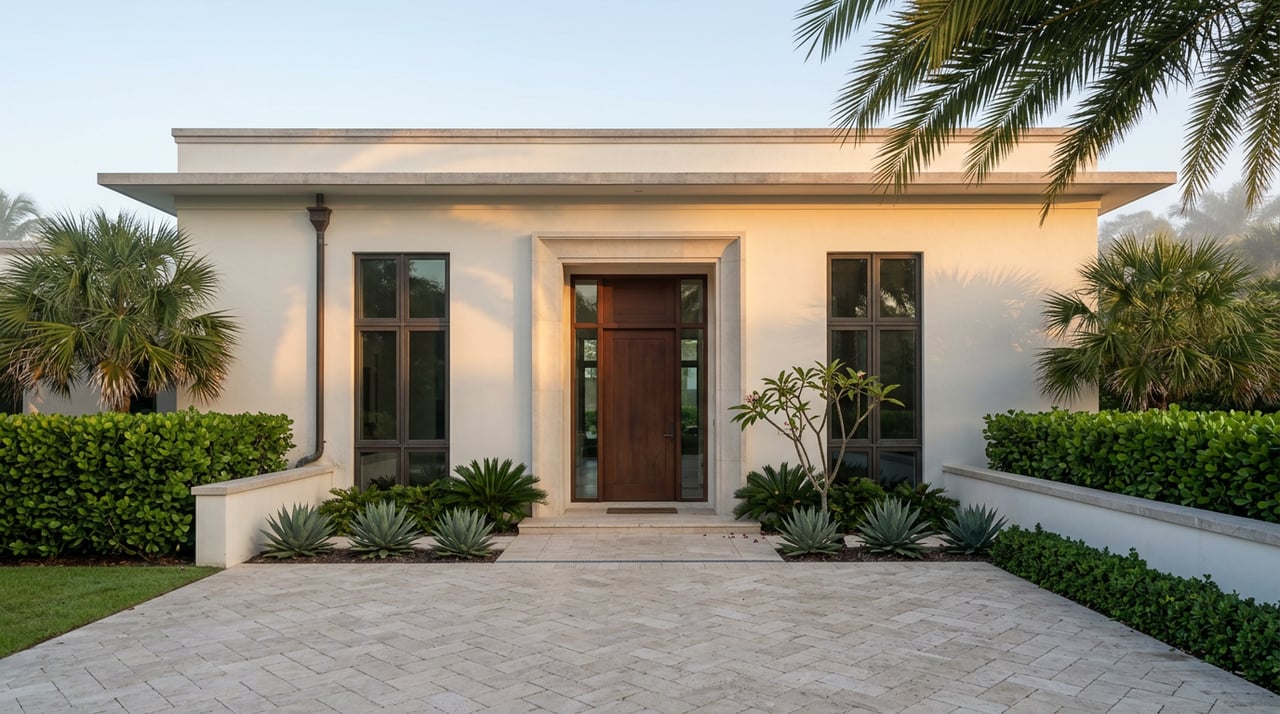
Homes in Juno Beach range from oceanfront single-family residences to inland homes, townhouses, and condominiums. Many communities have HOAs that manage amenities and exterior standards. Oceanfront or near-ocean properties often carry premium pricing due to location and limited supply. Inventory is tight, so expect seasonal swings with more activity in fall and winter.
Demand is driven by beach proximity, coastal lifestyle, and commuter access to Palm Beach Gardens and Jupiter. Limited land means new development is rare, so resale homes and condo turnover shape the market. Oceanfront properties require special due diligence, which can also affect value. Expect prices above broader county averages for similar homes near the water.
If you buy in an HOA or condo, review rules, budgets, reserves, and any planned assessments. Ask about coastal maintenance policies and building updates. Confirm rental policies if you plan seasonal or investment use. Your lender may request documents before final approval.
Florida has no state income tax, which can be a major benefit. Property taxes are assessed by Palm Beach County, and a homestead exemption can reduce your tax bill if the property is your primary residence. You can look up parcel details through the Palm Beach County Property Appraiser and review homestead eligibility and deadlines with the Palm Beach County Tax Collector.
Home insurance in coastal Florida is nuanced. Policies may be split into homeowner, windstorm, and flood coverage. Flood insurance is often recommended or required based on FEMA flood zones and property elevation. Compare options with the National Flood Insurance Program at FloodSmart.gov and private carriers. Wind mitigation features like shutters, roof straps, and secondary water barriers can lower premiums. Lenders may request an elevation certificate and proof of wind mitigation.
Most homes are served by regional providers for electric, water, sewer, trash, and internet. In Palm Beach County, many addresses use Florida Power & Light for electricity. Confirm whether your property is on public sewer or septic. Schedule transfers ahead of closing, and check high-speed internet options by address.
Juno Beach has a subtropical climate with warm, humid summers and mild winters. Outdoor living is a year-round perk. Hurricane season runs from June 1 through November 30, so plan moves and projects accordingly. For planning and forecasts, keep an eye on the NOAA National Weather Service.
Flood zone designations and elevation influence insurance and construction decisions. Before you buy, confirm the property’s flood zone through the FEMA Flood Map Service Center. If available, review an elevation certificate to understand risk and potential insurance needs. Oceanfront and low-lying areas may face coastal flooding or storm surge in severe weather.
Florida and Palm Beach County enforce strong wind and coastal construction codes. Permits are required for most renovations, especially any work near dunes, seawalls, or the beach. Always verify current requirements with the Town of Juno Beach before starting work.
Public schools are assigned by address. Use district tools to verify zoning and review programs via the School District of Palm Beach County. Many families also consider private or charter options across the county. For healthcare, you will find hospitals and specialty care in nearby Jupiter, Palm Beach Gardens, and West Palm Beach, along with local urgent care and medical offices.
U.S. Highway 1 and A1A run through Juno Beach, with I-95 a short drive inland. Commuting to Jupiter and Palm Beach Gardens is common and typically manageable. Expect seasonal traffic around peak tourist months. Regional rail service is available in neighboring cities, and you can reach Palm Beach International Airport within a reasonable drive for domestic and international travel.
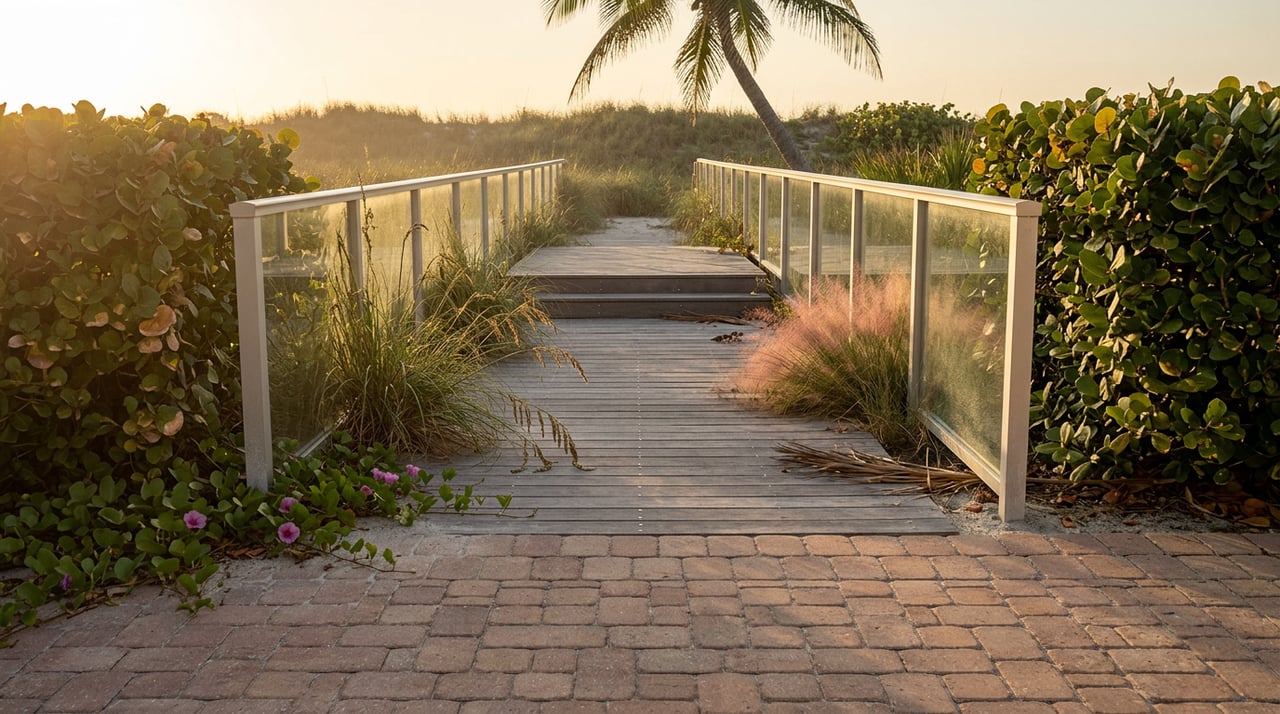
The beach is the star. You will love strolling the Juno Beach Pier and watching surfers and anglers. For a meaningful local experience, the Loggerhead Marinelife Center offers sea turtle rehabilitation and education. There are parks, preserves, and water access points across northern Palm Beach County for paddling, boating, and birding. Golf courses and clubs are plentiful in nearby communities, and dining and shopping range from casual beach spots to upscale centers.
Use this checklist to stay organized and confident:
Buying or selling in a coastal town takes local insight and careful planning. As a boutique, owner-led brokerage based in the Jupiter and Tequesta corridor, we guide you through each step with a concierge approach. We help you evaluate homes, understand flood and wind considerations, navigate HOA rules, and coordinate inspections and vendors. We also support sellers with marketing-led listing programs and valuations, and we offer rental and property management services for seasonal or investment needs.
When you are ready to take the next step, connect with Kevin Keogh, Lighthouse Realty Group, Inc for a local, one-on-one consultation.

Get assistance in determining the current property value, crafting a competitive offer, writing and negotiating a contract, and much more. Contact us today.