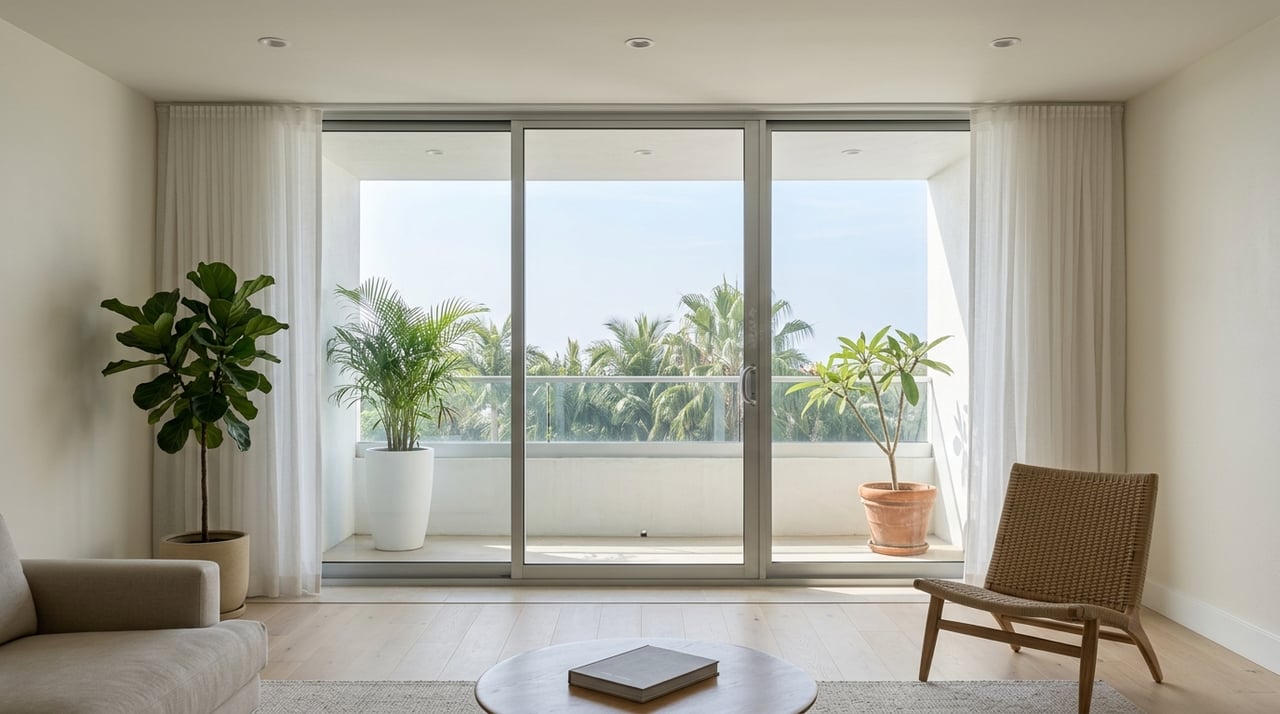
Condo Vs Single-Family Living In Palm Beach
Are you torn between the ease of condo living and the space of a single-family home in Palm Beach? You are not alone. In a market shaped by coastal lifestyle, seasonal ownership, and a wide range of luxury price points, the right fit often comes down to how you want to live day to day. This guide will help you compare condos and single-family homes in Palm Beach so you can weigh cost, maintenance, privacy, and lifestyle with more confidence. Let’s dive in.
Palm Beach is not a one-size-fits-all market. The Town of Palm Beach reports about 9,000 year-round residents and roughly 20,000 additional seasonal homeowners, which tells you a lot about how people use property here.
This barrier-island community is built around beaches, walkable areas, and a strong seasonal rhythm. The town highlights lifestyle features like the Lake Trail, the marina, public beach access, Worth Avenue, and Royal Poinciana Plaza, all of which can influence whether a condo or a house feels like the better match.
One of the clearest differences between condos and single-family homes in Palm Beach is price. According to Douglas Elliman’s Q3 2025 Palm Beach report, the median condo sales price was $1.97 million, while the median single-family sales price was $9.97 million.
That gap was also clear in Q2 2025, when the condo median was $1.85 million and the single-family median was $12.93 million. In simple terms, condos tend to sit on the lower end of Palm Beach’s luxury spectrum, while detached homes and estates make up much of the ultra-luxury market.
Luxury pricing climbs quickly in both categories, but especially at the top end. Palm Beach condo luxury sales started at $9.2 million in Q3 2025, while the broader top 10 percent of Palm Beach sales reached an entry point of $16.175 million in Q1 2025.
For many buyers, a condo offers a more managed ownership experience. That can be especially appealing if you want a second home, travel often, or prefer a property that does not require as much hands-on upkeep.
Under Florida law, condominium associations are responsible for maintaining, repairing, and replacing common elements. Those common elements can include shared spaces and systems that serve more than one unit.
In practical terms, that often means fewer exterior maintenance tasks landing on your plate. Landscaping, shared amenities, common areas, and some routine building-level upkeep are often handled through the association.
Palm Beach has a strong seasonal ownership pattern, and that matters. If you spend only part of the year in Florida, a condo may feel easier to manage when you are away.
This is one reason condo living is often described as “lock-and-leave.” You may still have responsibilities as an owner, but the building structure can reduce the number of moving parts compared with a detached home.
The convenience of condo living usually comes with rules and shared governance. Association rules may affect renovations, pets, parking, renting, noise, exterior appearance, and building use.
For some buyers, that structure is a positive because it creates a more managed environment. For others, it can feel limiting, especially if you want more freedom to customize or use the property on your own terms.
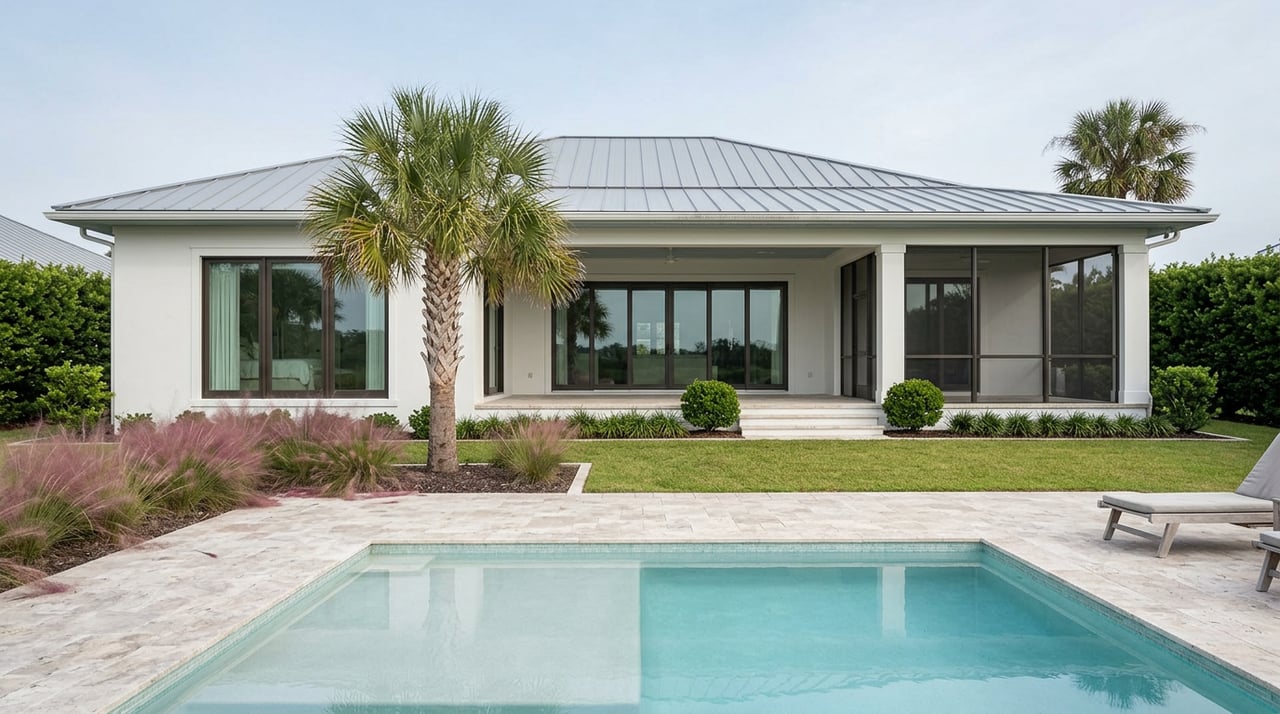
If condos are often about service and simplicity, single-family homes are usually about privacy, space, and control. This option often appeals to buyers who want a more private setting and a home that supports a broader range of daily use.
With a single-family home, you typically own both the house and the lot. That ownership structure often creates more separation from neighbors and more room for private outdoor living.
In Palm Beach, that can mean more space for a pool, gardens, guest accommodations, or outdoor entertaining. If privacy is high on your list, a detached home will usually have the advantage.
Single-family ownership often provides more control over how the property functions day to day. You may have more room for guests, home offices, hobbies, pets, and outdoor use.
That said, more control does not mean no rules. The Town of Palm Beach emphasizes strict zoning and historic preservation, so exterior changes and future improvements may still be shaped by local standards, especially on the island.
The tradeoff for privacy and flexibility is responsibility. In a typical single-family home, more of the maintenance burden falls directly on you.
That can include landscaping, pool care, exterior upkeep, mechanical systems, utilities, insurance, and storm preparation. For some buyers, that is a fair exchange for more space and control. For others, it may feel like more work than they want.
No matter which property type you choose, it is important to look past the purchase price. Your real monthly and annual costs can differ a lot depending on the ownership structure.
Condo ownership often includes recurring association fees paid directly to the association. Those dues are usually separate from your mortgage payment and may help cover common-area maintenance, amenities, reserves, and other shared costs.
You should also be prepared for possible special assessments for major repairs or building projects. Before buying, review the association’s rules and financial structure carefully.
Single-family buyers should plan for direct ownership costs that are more individualized. That may include maintenance, repairs, utilities, insurance, and flood insurance where applicable.
In Palm Beach, coastal conditions and the island setting can make planning even more important. A larger property may also bring higher service needs over time.
The best choice often comes down to how you plan to use the property. In Palm Beach, the condo versus house decision is often really a decision between convenience and privacy.
Not every condo or single-family home offers the same experience. In Palm Beach, location can shape your daily routine just as much as property type.
Oceanfront and in-town condos are often attractive if you want beach access, walkability, and a more turnkey lifestyle. Single-family and estate homes may appeal more if you want a grounds-oriented property with more private outdoor space and a different sense of scale.
If you are deciding between a condo and a single-family home in Palm Beach, start with your lifestyle before you focus on features. Think about how often you will be here, how much upkeep you want to handle, how much privacy you need, and whether shared amenities or private space matter more.
It also helps to review the full ownership picture for each option. For condos, that means understanding fees, reserves, assessments, and rules. For homes, that means evaluating maintenance needs, insurance, and any zoning or preservation factors that could affect future plans.
The right choice is the one that supports the way you want to live in Palm Beach, not just the one that looks best on paper. If you want expert guidance comparing property types, neighborhoods, and ownership tradeoffs in Palm Beach County, Kevin Keogh, Lighthouse Realty Group, Inc is here to help with a concierge-level approach and local insight.

Get assistance in determining the current property value, crafting a competitive offer, writing and negotiating a contract, and much more. Contact us today.