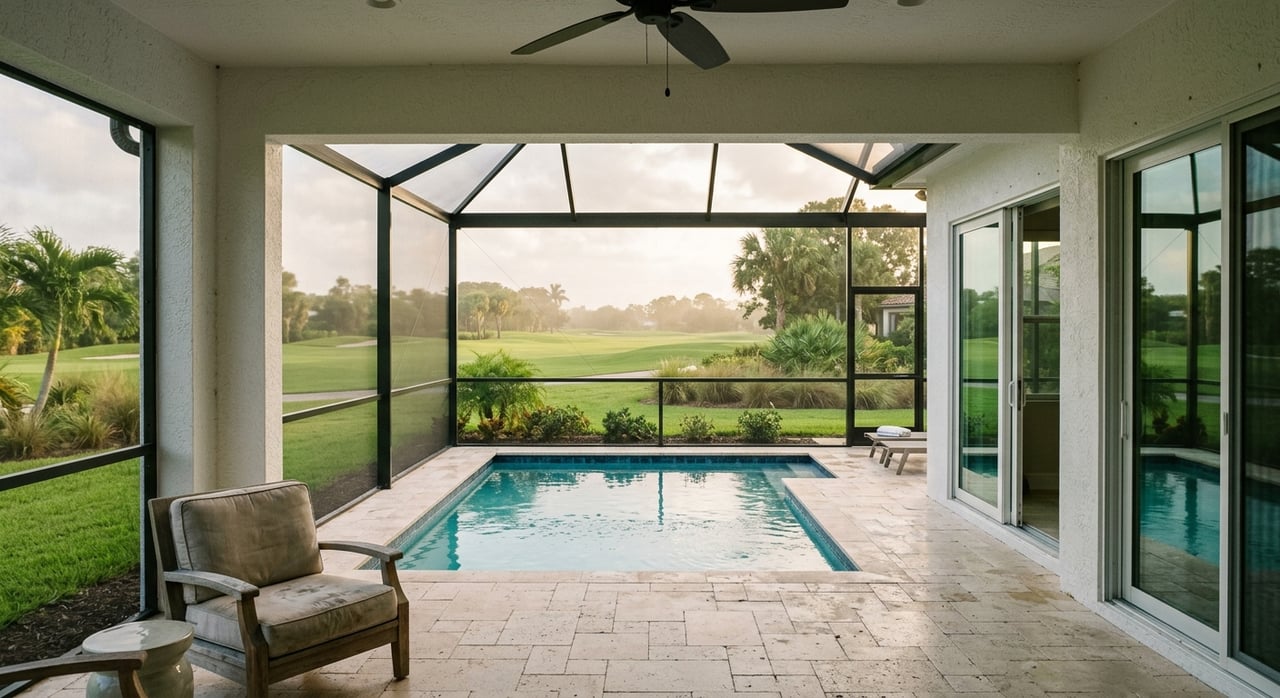
Buying In Jonathan’s Landing: How To Evaluate Your Options
If you are thinking about buying in Jonathan’s Landing, the biggest decision is not just whether to buy there. It is which village structure fits the way you want to live. With multiple home types, water-oriented settings, golf views, and layered rules, it helps to sort your options before you fall in love with a specific property. Let’s break down what to compare so you can make a smart, confident choice.
Jonathan’s Landing is a 606.2-acre master-planned community in unincorporated Palm Beach County near Jupiter. It sits south of Indiantown Road, east of Alternate A1A, and west of the Intracoastal Waterway. The community is controlled-access and organized into separate villages.
There are about 1,234 homes across 27 villages. According to the POA, those villages include single-family homes, townhomes, and condominiums. That mix matters because your ownership experience can look very different depending on where you buy.
A good first filter is the kind of property you want to own. In Jonathan’s Landing, that usually means choosing between single-family homes, condos, townhomes, or attached villas.
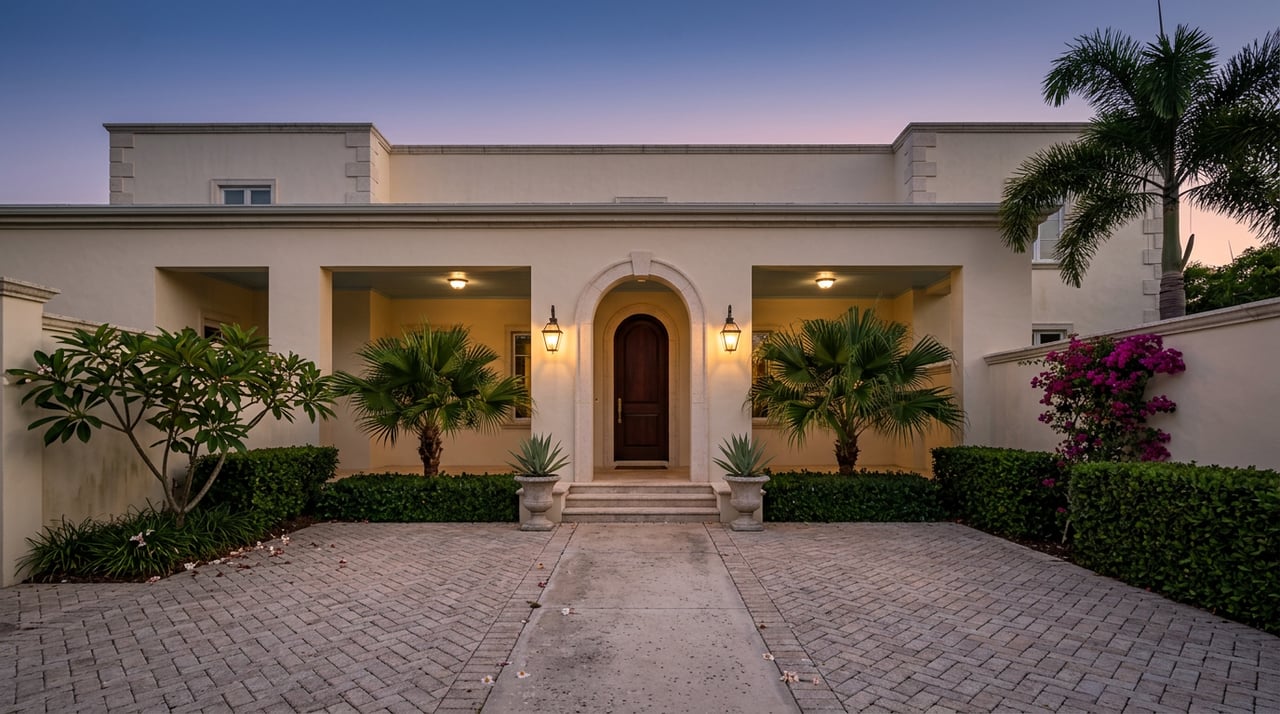
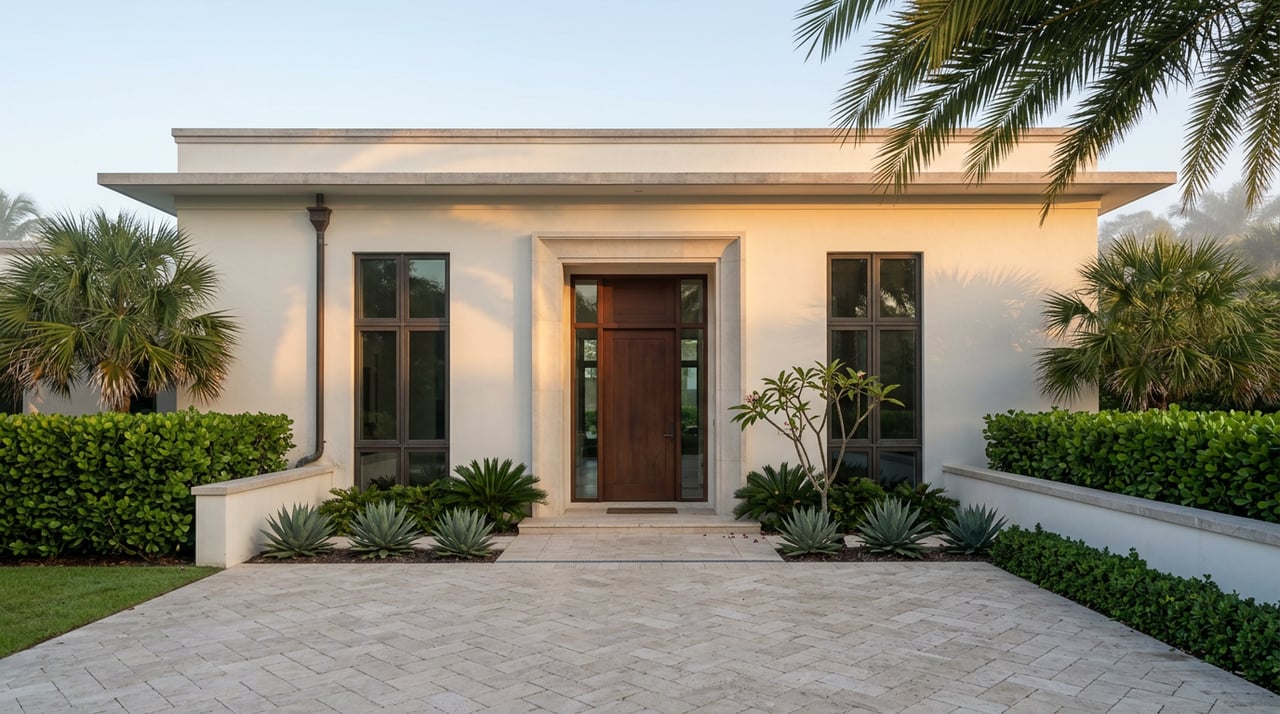
Single-family homes can make sense if you want more privacy, more outdoor space, or a layout that feels less lock-and-leave. Many of the village options in this category also connect closely to golf, garden, lake, or saltwater settings.
If you are comparing single-family neighborhoods, look closely at lot position, view corridor, outdoor living, and whether the home is tied to dock access. Two homes in the same community can offer very different daily experiences.
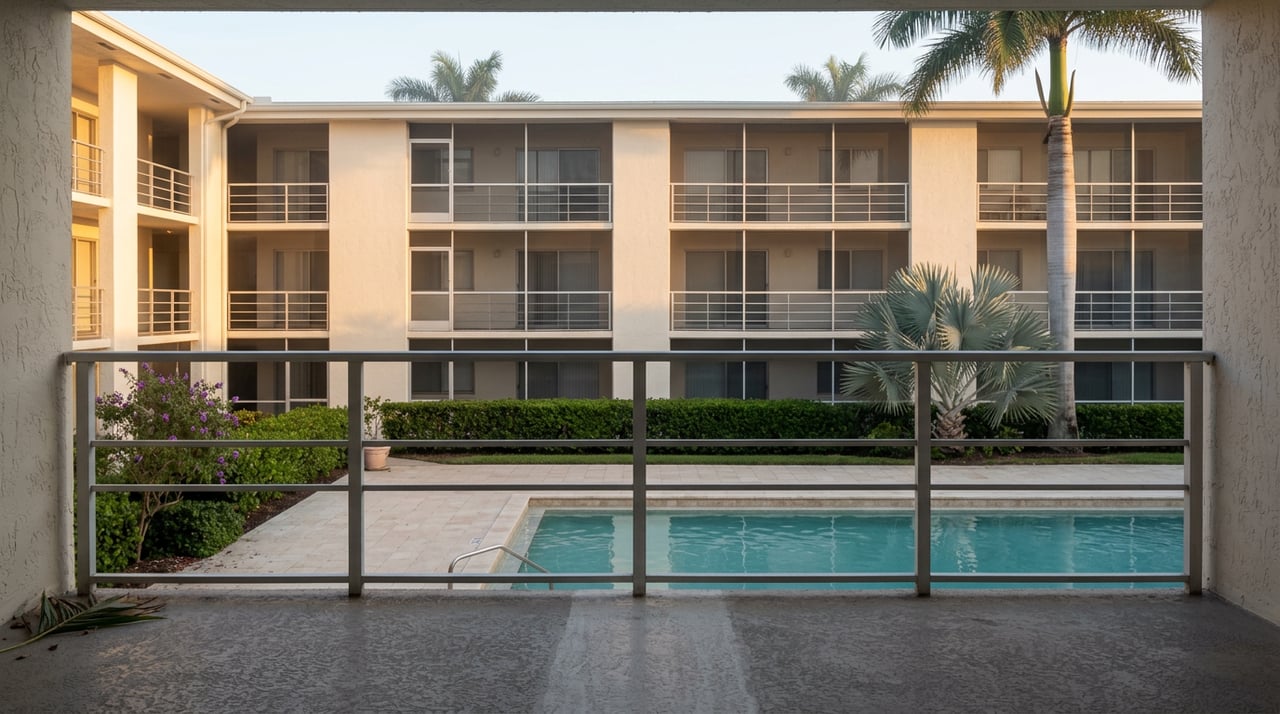
If low-maintenance living is high on your list, condos and townhomes may be the better fit. Official village descriptions identify options such as Cape Pointe townhomes, Port Dickinson townhouses, Trader’s Crossing condominiums with a townhome look, Waterbend garden condos, West Bay condos with garages and golf cart barns, Windward Village attached golf villas, Southporte high-rise condos, and The Anchorage condo buildings.
Southporte is described by the POA as the only high-rise in Jonathan’s Landing. That makes it a distinct option if you prefer a condo lifestyle over a detached home format.
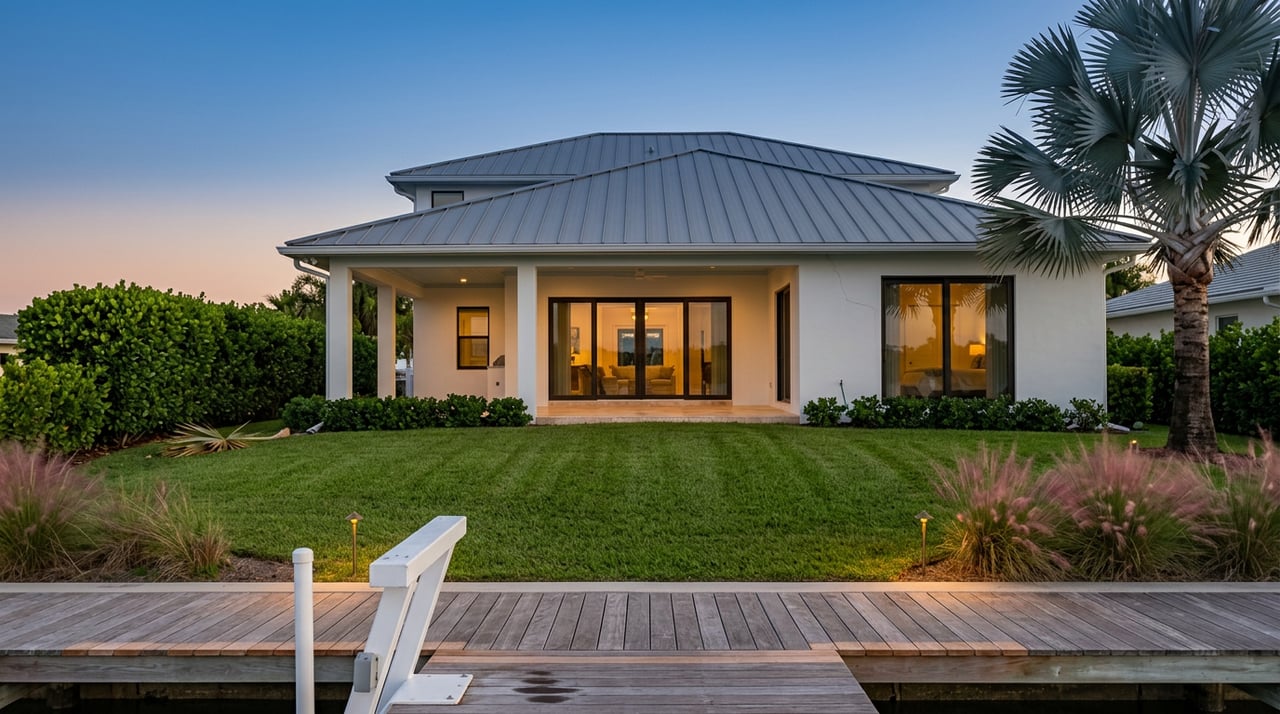
Many buyers are drawn to Jonathan’s Landing because it is strongly water-oriented. Still, water view and dock rights are not the same thing.
That distinction is one of the most important parts of your search. If boating is part of your plan, you should confirm exactly what comes with the property before moving forward.
If direct boating access is your priority, several villages stand out in official community materials:
Other villages also include water-oriented options with varying conditions. Baytowne includes both saltwater-and-dock and golf-view sides, Casseekey Island sits on the Intracoastal with homes on water, the Intracoastal, or gardens, and Southern Cay includes private docks, lakefront, or garden locations.
This is where buyers need to slow down and verify details. Not every home near the water includes dock ownership.
For example, The Anchorage is a condo community where adjacent boat docks are available for lease through the HOA. That is different from a property with a private dock tied directly to the home. If your boat size, access, and long-term use matter, make sure you confirm whether the dock is deeded, leased, or separate from the real property.
Another helpful way to narrow your search is to ask yourself what you will use more often: golf surroundings or boating facilities. Jonathan’s Landing gives buyers both paths, but not always in the same package.
If you want golf views without focusing on dock ownership, official descriptions point to villages such as Crosswinds, Greens Cay, Hidden Cove, The Narrows, Windrift, Riverwind, and Shearwater. These areas emphasize fairway frontage, garden or freshwater views, screened outdoor space, and in some cases larger single-family floor plans.
If marina access matters more, you will want to understand how the Jonathan’s Landing Marina works. The marina on the Intracoastal has 31 wet slips, a fueling dock, and dry storage for 350 boats up to 40 feet. Access is limited to slip owners, storage leaseholders, marina club members, marina boat club members, and invited guests, with berth priority given to Jonathan’s Landing residents.
One of the easiest mistakes buyers make is assuming all amenities work the same way. In Jonathan’s Landing, some amenities are POA-run, while others are tied to separate membership.
The POA amenity list includes:
These features can shape your daily lifestyle even if you do not join a club. For many buyers, they add value beyond the home itself.
The Golf Club side is membership-based and separate from the POA. The club currently advertises three championship courses, 10 Har-Tru tennis courts, 6 pickleball courts, a 13,000-square-foot wellness center, and dining outlets.
The POA states that club and marina memberships are optional. However, the club’s contact page says all membership categories currently have a waitlist, so you should not assume immediate access. If club use is central to your decision, verify the current timing and process before you buy.
Because Jonathan’s Landing is divided into 27 villages, each with its own homeowners or condo association and board, the master POA is only one part of the picture. That is why village-level review is essential.
The POA FAQ notes that the declaration and CC&Rs define ownership boundaries and permitted uses. On top of that, exterior changes such as painting, pavers, lanai enclosures, and landscaping require Design Control Board approval, with village approval needed before DCB submission. County permits may still be required as well.
Vehicle and storage rules deserve special attention if you own a boat, truck, trailer, or RV. The Rules page restricts on-street parking where 20 feet of emergency access cannot be maintained.
It also bars trailers, boats, RVs, commercial pickups, and full-sized vans from being kept in exposed areas. If your lifestyle includes larger vehicles or equipment, this should be part of your decision early in the process.
Before you commit to one village, make sure you understand the full financial picture. Jonathan’s Landing buyers may be dealing with more than one layer of dues, depending on the property and village structure.
Quarterly POA assessments are due January 1, April 1, July 1, and October 1. Beyond that, you should verify whether separate village dues apply and whether any additional costs affect your ownership.
A careful review should include more than listing remarks. The POA document center includes materials such as reserve studies, budgets, special-assessment updates, and transfer-fee documents.
As part of your due diligence, it is wise to verify:
If you feel overwhelmed by the number of villages, start with a short list based on lifestyle instead of architecture alone. That usually makes the process much easier.
Ask yourself these questions first:
Once you answer those questions, the right villages usually come into focus much faster. From there, you can compare homes based on condition, location within the village, dues, and long-term fit.
Jonathan’s Landing is not a one-size-fits-all community. Its value is in the variety, but that variety also means buyers need a sharper lens. When you evaluate village structure, water access, membership realities, and rules together, you put yourself in a much better position to choose the right home for the way you actually want to live.
If you want help comparing villages, reviewing the tradeoffs between dock, golf, and low-maintenance options, or narrowing the best fit for your goals, reach out to Kevin Keogh, Lighthouse Realty Group, Inc for a local, concierge-level consultation.

Get assistance in determining the current property value, crafting a competitive offer, writing and negotiating a contract, and much more. Contact us today.