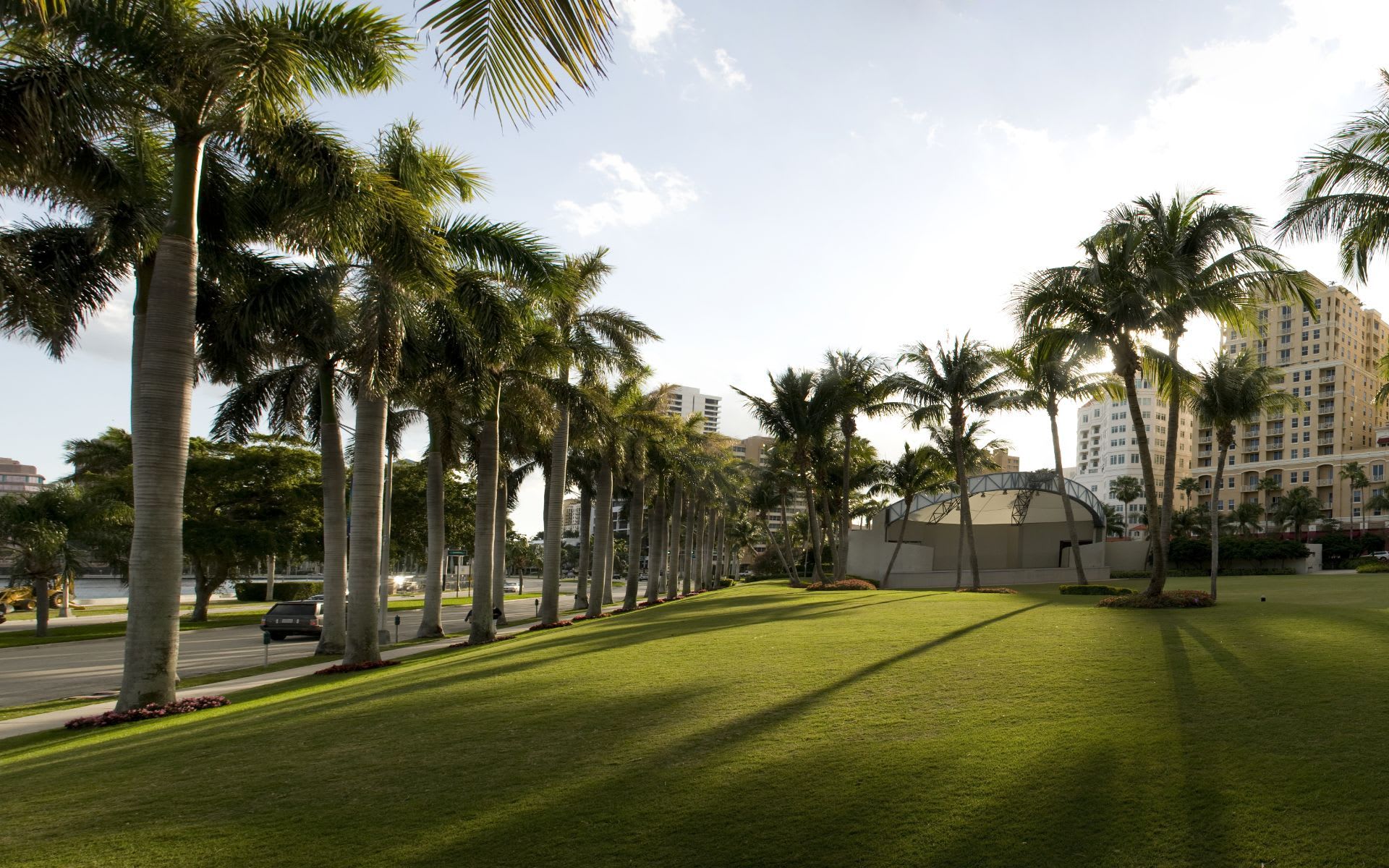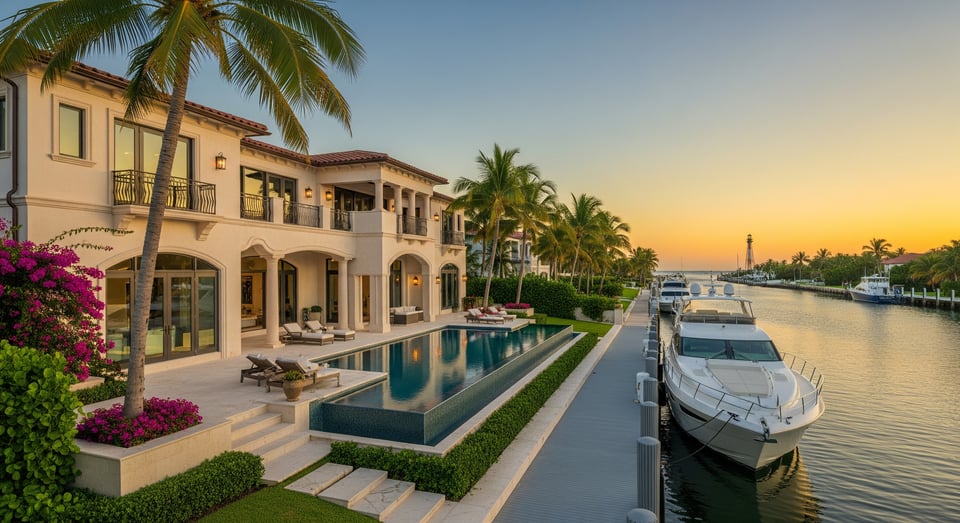
9,234 people live in Palm Beach, where the median age is 69.7 and the average individual income is $211,812. Data provided by the U.S. Census Bureau.
Total Population
Median Age
Population Density Population Density This is the number of people per square mile in a neighborhood.
Average individual Income
Palm Beach is in a category of its own. This small barrier island town in east-central Palm Beach County is one of the wealthiest communities in the United States, home to historic Gilded Age estates, legendary private clubs, Worth Avenue's global luxury boutiques, and a level of architectural and cultural refinement that most South Florida markets simply cannot match. The island is separated from West Palm Beach by the Intracoastal Waterway to the west and the Atlantic Ocean borders it to the east. With a permanent population of roughly 9,200 and a winter social season that draws some of the wealthiest individuals in the world, Palm Beach operates on its own terms. For buyers in this market, the question is not whether to invest here. It is which part of the island fits best.
The Town of Palm Beach was incorporated on April 17, 1911, though settlement on the island dates to the 1870s and the Flagler era transformed it into a winter destination for America's elite in the 1890s. Henry Flagler's railroad and his landmark hotels established the social and architectural blueprint that Palm Beach has maintained ever since. Today the island is divided into four distinct sub-markets: the North End, In-Town (Midtown), the Estate Section, and the South End. Each carries its own character, price tier, and buyer profile. Strict historic preservation laws, rigorous architectural review boards, and limited land area ensure that the island's inventory remains finite and its character intact across decades.
| Key Facts about Palm Beach, FL | |
|---|---|
| Area | ~7.80 sq mi total (≈3.80 sq mi land) |
| County | Palm Beach County |
| Incorporated | April 17, 1911 (Town of Palm Beach) |
| Population (2020 Census) | ~9,245 permanent residents (winter population significantly higher) |
| Island Sub-Markets | North End • In-Town (Midtown) • Estate Section • South End |
| Signature Landmarks | Worth Avenue • The Breakers Hotel • Henry M. Flagler Museum (Whitehall) • Society of the Four Arts • Phipps Ocean Park • Lake Trail • Mar-a-Lago |
| Main Connections | Royal Park Bridge (to West Palm Beach) • Southern Blvd Bridge • North Bridge • Palm Beach International Airport (~12 min drive) |
| ZIP Code | 33480 |
Palm Beach is not a place that asks you to imagine what it could be. The architecture, the institutions, the landscape, and the social fabric have been curated over more than a century. For buyers seeking a permanent address or a generational asset, what exists here cannot be rebuilt anywhere else.
Palm Beach sits on a long, narrow barrier island in east-central Palm Beach County, separated from West Palm Beach by the Lake Worth Lagoon and Intracoastal Waterway. Three bridges connect the island to the mainland — the Royal Park Bridge, the Southern Boulevard Bridge, and the North Bridge. West Palm Beach's downtown, financial district, and Brightline high-speed rail station are directly across the water, roughly 5 to 10 minutes away depending on traffic. Palm Beach International Airport is approximately 12 minutes from mid-island, making it one of the most airport-proximate luxury island communities in the country.
Within the island itself, South County Road and North County Road serve as the primary north-south routes. Worth Avenue runs east to west at mid-island, connecting the Intracoastal waterfront to the ocean. The Lake Trail along the island's western edge is a beloved 5.5-mile multi-use path for walking, cycling, and running. For boaters, Palm Harbor Marina accommodates yachts up to 150 feet, with Intracoastal access running the full length of the island.
| Connectivity & Transportation — Palm Beach, FL | |
|---|---|
| Location Overview | Narrow barrier island in east-central Palm Beach County. Atlantic Ocean to the east, Lake Worth Lagoon and Intracoastal Waterway to the west. Connected to West Palm Beach by three bridges. Approximately 15 miles long, less than a mile wide at most points. |
| Nearby Areas & Communities |
|
| Attractions & Points of Interest |
|
| Public Transport | Limited Palm Tran bus service. Most residents use private vehicles, car services, or golf carts within the island. Brightline high-speed rail is accessible from West Palm Beach for travel to Miami, Boca Raton, and Orlando. |
| Main Routes on the Island |
|
| Typical Drive Times* |
*Traffic varies significantly during winter season (Nov–Apr)
|
| Boating & Marina Access | Palm Harbor Marina accommodates yachts up to 150 feet. Direct Intracoastal Waterway access along the island's western shore. Lake Worth Inlet to the north provides Atlantic access for boaters. Private docks and seawall access are available throughout Intracoastal-facing properties. |
| Airport Access |
|
For a private island community, Palm Beach is remarkably accessible. The airport is 12 minutes away, West Palm Beach is across the bridge, and the Intracoastal connects you north and south with a boat. What the island is not accessible to is the kind of casual through-traffic that defines most South Florida communities. That is entirely by design.
Palm Beach is not measured against other South Florida markets. It is measured against itself. The island's median home value reached approximately $9.8 million as of late 2025, a 118.2% increase over five years, making Palm Beach the highest-appreciating luxury market in Florida by a significant margin. The mid-2025 median sale price for the Town of Palm Beach specifically tracked near $1.7 million overall, though that figure is skewed by South End condo activity. Single-family estate pricing in the core sub-markets runs substantially higher. At the top end, a property at 1460 N Lake Way closed at $72 million in a widely followed transaction, a reminder that Palm Beach's ceiling is effectively set by the global trophy market, not regional comparables. Cash buyers dominate across all price tiers. Inventory remains constrained by the island's fixed geography, strict preservation requirements, and the deliberate pace at which legacy owners transact.
| Sub-Market / Property Type | Typical Price Range (USD) | Price per Sq.Ft (USD) | Notes | Demand Level |
|---|---|---|---|---|
| South End Condos | $1M–$30M+ | $700–$1,500+ | Entry-level island pricing; oceanfront high-rise condos and smaller in-town properties | Moderate to High |
| In-Town (Midtown) — Condos & Estates | $3M–$80M+ | $1,000–$2,500+ | Worth Avenue walking distance; Mediterranean Revival architecture; marina and Four Arts access | High |
| North End — Single Family & Estates | $5M–$200M+ | $1,500–$4,000+ | Quiet, residential, privacy-first; Lake Trail access; Palm Beach Country Club and Sailfish Club | Very High |
| Estate Section — Trophy Properties | $15M–$200M+ | $2,000–$5,000+ | Ocean-to-lake Mizner estates; Bath and Tennis Club; global trophy market; extremely limited inventory | Ultra-High (Cash Dominant) |
Methodology & Notes: Figures reflect 2024–2025 Town of Palm Beach market activity and publicly reported transactions. Palm Beach Island trades as a distinct market separate from Palm Beach County aggregates. Price per square foot figures are highly variable within sub-markets based on oceanfront vs. Intracoastal frontage, lot size, architectural pedigree, and renovation quality. Cash transactions dominate across all tiers. Historic preservation and architectural review requirements affect renovation timelines and costs.
Life on the island moves at a pace that wealth alone does not buy you. The winter season runs from November through April and brings the most active social calendar in South Florida, anchored by private club events, charity galas at The Breakers and Mar-a-Lago, concerts and exhibitions at the Society of the Four Arts, and a dining scene built around restaurants that require nothing more than discretion from their patrons. The summer months are quieter, with many seasonal residents returning to New York, Boston, and Chicago. Year-round residents value the island's walkability, the Lake Trail, Phipps Ocean Park, and a rhythm that has changed remarkably little in decades.
Barrier island in east-central Palm Beach County, bordered by the Atlantic Ocean to the east and the Lake Worth Lagoon to the west. Roughly 15 miles long and less than one mile wide at its broadest point.
A permanent population of around 9,200 that grows substantially during the November through April season. Full-time residents, seasonal families, and international buyers coexist within a town that enforces a strict and consistent social and aesthetic standard.
Cafe Boulud, Buccan, Sant Ambroeus, and Seafood Bar at The Breakers anchor the fine dining scene. Worth Avenue's vias and courtyard restaurants complement the shopping experience. The standard throughout is high and the atmosphere is private without being unwelcoming.
Palm Beach Day Academy serves students on-island from Pre-K through 8th grade. The island's private school culture means most secondary students travel to Palm Beach Day Academy Upper School, Oxbridge Academy, The Benjamin School, or St. Andrew's School on the mainland.
Range from oceanfront Mizner-designed estates in the Estate Section and North End to condominiums in the South End and in-town residences steps from Worth Avenue. All construction and renovation is subject to architectural review under the town's historic preservation framework.
Private vehicles, car services, and golf carts within the island. Three bridge connections to West Palm Beach. Palm Beach International Airport is 12 minutes away. Brightline rail accessible from West Palm Beach for regional travel.
Subtropical coastal climate tempered by Atlantic breezes. Warm, dry winters make the November through April season ideal. Summer months are humid with regular afternoon storms. Year-round outdoor living is possible and practiced by full-time residents.
Worth Avenue's luxury boutiques, The Breakers' nine restaurants and spa, Phipps Ocean Park, the Lake Trail, Society of the Four Arts, Flagler Museum, and a concentration of private clubs with some of the longest waiting lists in the country.
Highly affluent mix of full-time island residents, seasonal families, and buyers who use Palm Beach as a primary winter address. A growing number of financial and technology executives have relocated here permanently, attracted by Florida's tax environment.
Unmatched architectural heritage, world-class amenities, airport proximity, private club culture, generational real estate values, no Florida state income tax, and a consistent social season that brings the island to life each winter.
Extremely high entry cost, strict renovation and preservation requirements that extend project timelines and costs, limited commercial variety compared to mainland South Florida, and a social culture that is exclusive by design.
Ocean swimming and surfing at Phipps Ocean Park and public beaches, cycling and walking on the 5.5-mile Lake Trail, golf at The Breakers Ocean Course and Palm Beach Par 3, tennis, kayaking on the Intracoastal, and boating from Palm Harbor Marina.
Palm Beach asks nothing of its residents except the resources to be here. In return, it offers something no other address in South Florida can: a century of accumulated prestige, a community held together by shared standards, and a physical setting that the Atlantic Ocean and the Intracoastal make permanent.
Palm Beach operates at a standard that most communities plan toward and few achieve. The amenity set here is not about volume — it is about quality, exclusivity, and an access level tied directly to the island's private club culture. For everyday needs, residents use Worth Avenue's curated retail and West Palm Beach's mainland services, all within a short drive or bridge crossing.
Families in Palm Beach primarily rely on private schools. The island has one notable on-island institution — Palm Beach Day Academy, which serves Pre-K through 8th grade across two campuses located one block from the Atlantic Ocean and the Intracoastal. For secondary education, families typically look to the mainland's top independent schools. The School District of Palm Beach County oversees public schools in the area, though private enrollment is the norm among island residents.
Schools across Palm Beach County are consistently rated among the best in Florida, and the private schools in this market draw from some of the highest-resourced families in the country. Always confirm admissions timelines, waitlists, and current program details directly with each school, as many operate competitive application processes.
| School | Type | Location | Highlights |
|---|---|---|---|
| Palm Beach Day Academy (PBDA) | Private (PK–8) | Palm Beach (on-island) | The island's primary on-island school, with two campuses located one block from the Atlantic Ocean and Intracoastal Waterway. Pre-K through 8th grade. Known for strong academics, arts, and an environmental curriculum tied to the coastal setting. |
| Oxbridge Academy of the Palm Beaches | Private (6–12) | West Palm Beach (mainland) | Founded in 2011 by philanthropist William Koch. Co-educational, nonsectarian, college-prep on a 54-acre campus. Student-teacher ratio of 10:1. Niche grade A+. Graduates attend Brown, Columbia, Duke, Harvard, Princeton, and Yale. Tuition approximately $36,100–$41,500. |
| The Benjamin School | Private (K–12) | North Palm Beach / Palm Beach Gardens (mainland) | College-prep independent school with strong academics, athletics, and arts. Highly regarded across northern Palm Beach County. Popular with island families seeking a K–12 private campus. |
| St. Andrew's School | Private (PK–12) | Boca Raton (mainland) | One of Florida's most respected independent schools, offering day and boarding options. Strong college placement and a nationally recognized academics and athletics program. |
| Palm Beach Public School | Public (K–8) — SDPBC | Palm Beach (on-island) | The only public school on the island, serving K–8. For families seeking public school education without leaving the island. |
| Cardinal Newman High School | Private Catholic (9–12) | West Palm Beach (mainland) | Well-established Catholic co-educational high school with strong academics and a broad extracurricular program. A popular choice for families seeking a faith-based secondary option near the island. |
| Early Learning & Preschool Options | Private Preschool / VPK | Palm Beach • West Palm Beach | Several private early learning programs serve the island community, with options available on the island and across the bridge in West Palm Beach. Many island families begin formal education at Palm Beach Day Academy from Pre-K onward. |
District: School District of Palm Beach County (SDPBC) for public options. Private school admissions processes vary significantly — many have waiting lists and competitive application timelines. Always confirm enrollment availability, admissions requirements, and transportation options directly with each institution.
Palm Beach's investment case is built on four pillars that no other South Florida market can fully replicate: finite land supply on a fixed barrier island, century-old architectural and institutional prestige, an increasingly permanent population of ultra-high-net-worth buyers, and Florida's no state income tax environment. The median home value on the island reached approximately $9.8 million as of late 2025 — a 118.2% increase over five years, making Palm Beach the top-appreciating home market in Florida by a wide margin. More than 200 investment firms have established presences in South Florida in recent years, with a significant share choosing Palm Beach County. Paul Singer's Elliott Management and Goldman Sachs's expanded Palm Beach County footprint reflect the broader "Wall Street South" dynamic that continues to generate demand at the island's highest tiers.
Cash buyers dominate Palm Beach transactions across all price points, insulating the market from interest rate cycles that affect other segments of South Florida real estate. Inventory is structurally constrained: the island cannot expand, preservation laws restrict demolition, and legacy owners transact on their own timeline. Properties that are flawlessly presented and strategically priced continue to attract competitive, informed buyers. The estate market at the very top, with transactions regularly closing above $50 million, continues to set globally relevant benchmarks for luxury residential real estate.
| Investment Factor | Detail | Implication |
|---|---|---|
| 5-Year Appreciation | +118.2% (avg. home value to ~$9.8M) | Highest in Florida; globally competitive returns |
| Land Supply | Fixed barrier island; no expansion possible | Structural scarcity underpins long-term pricing |
| Cash Buyer Share | Dominates across all price tiers | Insulates market from rate cycles affecting other FL markets |
| Institutional Migration | 200+ investment firms in South FL; "Wall Street South" | Sustained demand from high-net-worth permanent relocators |
Palm Beach is a long-term capital preservation market as much as it is a lifestyle destination. The combination of Florida's tax advantages, fixed supply, increasing permanent high-net-worth residency, and architectural prestige that cannot be recreated makes every property on the island a distinct asset.
Key Investment Highlights:
Whether you are acquiring a historic estate in the Estate Section, a North End oceanfront home, an in-town property steps from Worth Avenue, or a South End condo as an entry into island ownership, Palm Beach real estate has consistently rewarded buyers who hold and rewarded sellers who time well. The island does not need to be marketed. It markets itself.
There is no other address in South Florida quite like Palm Beach. The island has been home to America's most storied families, global financiers, and cultural philanthropists for over a century, and that history is visible in every Mediterranean Revival facade, every private club dining room, and every stretch of oceanfront that has somehow remained intact through decades of Florida development pressure. When you live here, you live inside that history.
The practical case is equally compelling. Palm Beach International Airport is 12 minutes away. West Palm Beach's Brightline station connects you to Miami and Orlando without a car. The island has on-island schools from Pre-K through 8th grade at Palm Beach Day Academy, and the mainland's top independent schools are a bridge crossing away. Florida's no state income tax and Palm Beach's 118.2% five-year home value appreciation make ownership here a financial decision as much as a lifestyle one.
Housing ranges from in-town condominiums steps from Worth Avenue to North End estates with private docks on the Intracoastal, to Estate Section ocean-to-lake properties that trade in a global trophy market. All renovation and construction is subject to the town's historic preservation framework, which means projects take longer and cost more here than elsewhere. That friction is part of what preserves the island's character, and why buyers who have already built or bought elsewhere often find Palm Beach to be the place they should have started.
If you have the resources and the patience for a market that moves at its own pace, Palm Beach rewards both in ways that are genuinely difficult to replicate anywhere else in America.
Explore Palm Beach Real Estate →Palm Beach is the definitive South Florida luxury address — a barrier island of finite size, irreplaceable architecture, and century-long prestige, set 12 minutes from a major international airport and directly connected to one of the fastest-growing financial centers in the country.
There's plenty to do around Palm Beach, including shopping, dining, nightlife, parks, and more. Data provided by Walk Score and Yelp.
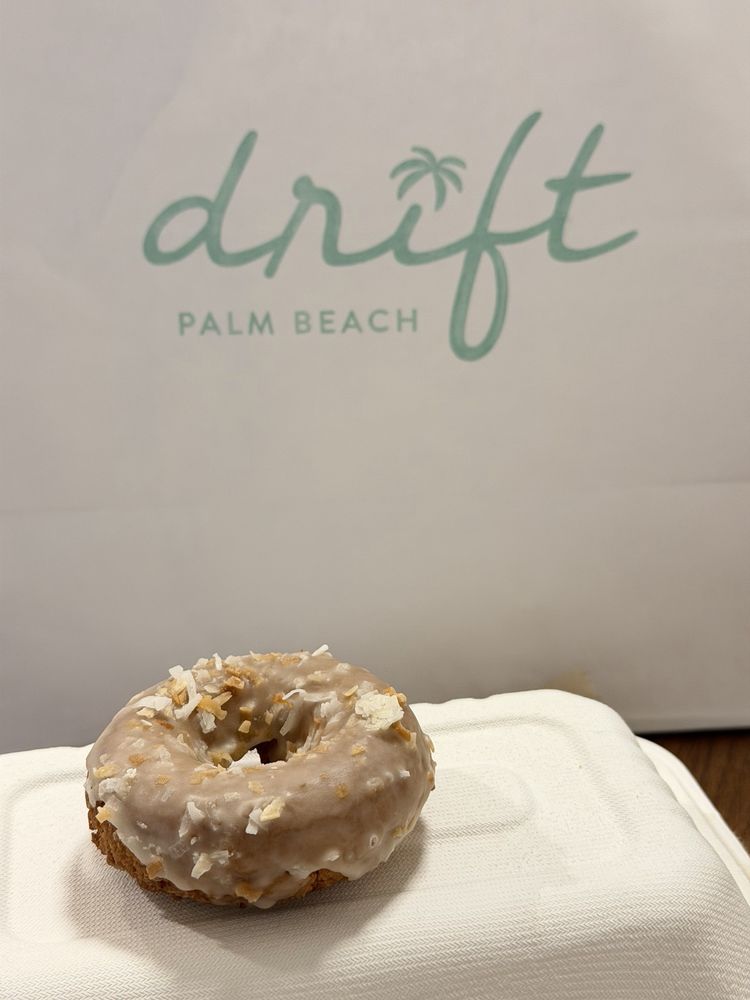
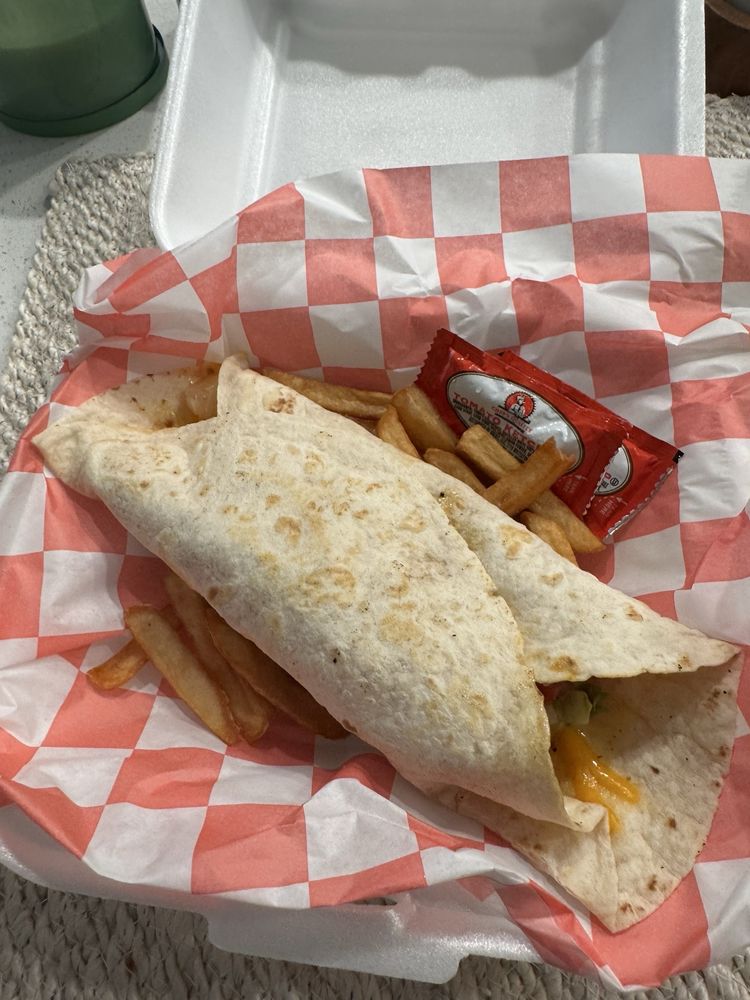
Explore popular things to do in the area, including Gourmet Galley Catering of the Palm Beaches, Drift Palm Beach, and Fire Steak.
| Name | Category | Distance | Reviews |
Ratings by
Yelp
|
|---|---|---|---|---|
| Dining | 0.34 miles | 0 reviews | 0/5 stars | |
| Dining | 0.55 miles | 46 reviews | 4.6/5 stars | |
| Dining | 0.64 miles | 4 reviews | 1.8/5 stars | |
| Dining · $$ | 0.64 miles | 8 reviews | 3.5/5 stars | |
| Dining | 0.71 miles | 0 reviews | 0/5 stars | |
| Shopping | 0.34 miles | 2 reviews | 3/5 stars | |
| Shopping | 0.37 miles | 0 reviews | 0/5 stars | |
| Shopping | 0.37 miles | 0 reviews | 0/5 stars | |
| Shopping | 0.37 miles | 0 reviews | 0/5 stars | |
| Shopping | 0.37 miles | 0 reviews | 0/5 stars | |
| Shopping | 0.37 miles | 2 reviews | 5/5 stars | |
| Shopping | 0.37 miles | 0 reviews | 0/5 stars | |
| Shopping | 0.42 miles | 0 reviews | 0/5 stars | |
| Shopping | 0.42 miles | 0 reviews | 0/5 stars | |
| Shopping | 0.45 miles | 0 reviews | 0/5 stars | |
| Shopping | 0.45 miles | 0 reviews | 0/5 stars | |
| Shopping | 0.45 miles | 0 reviews | 0/5 stars | |
| Active | 0.53 miles | 1 review | 5/5 stars | |
| Active | 0.55 miles | 0 reviews | 0/5 stars | |
| Active | 0.64 miles | 0 reviews | 0/5 stars | |
| Active | 0.64 miles | 0 reviews | 0/5 stars | |
| Beauty | 0.29 miles | 1 review | 5/5 stars | |
| Beauty | 0.43 miles | 4 reviews | 5/5 stars | |
| Beauty | 0.64 miles | 0 reviews | 0/5 stars | |
|
|
||||
|
|
||||
|
|
||||
|
|
||||
|
|
||||
|
|
Palm Beach has 5,452 households, with an average household size of 1.69. Data provided by the U.S. Census Bureau. Here’s what the people living in Palm Beach do for work — and how long it takes them to get there. Data provided by the U.S. Census Bureau. 9,234 people call Palm Beach home. The population density is 2,429 and the largest age group is Data provided by the U.S. Census Bureau.
Total Population
Population Density Population Density This is the number of people per square mile in a neighborhood.
Median Age
Men vs Women
Population by Age Group
0-9 Years
10-17 Years
18-24 Years
25-64 Years
65-74 Years
75+ Years
Education Level
Total Households
Average Household Size
Average individual Income
Households with Children
With Children:
Without Children:
Marital Status
Blue vs White Collar Workers
Blue Collar:
White Collar:
Get assistance in determining the current property value, crafting a competitive offer, writing and negotiating a contract, and much more. Contact us today.